
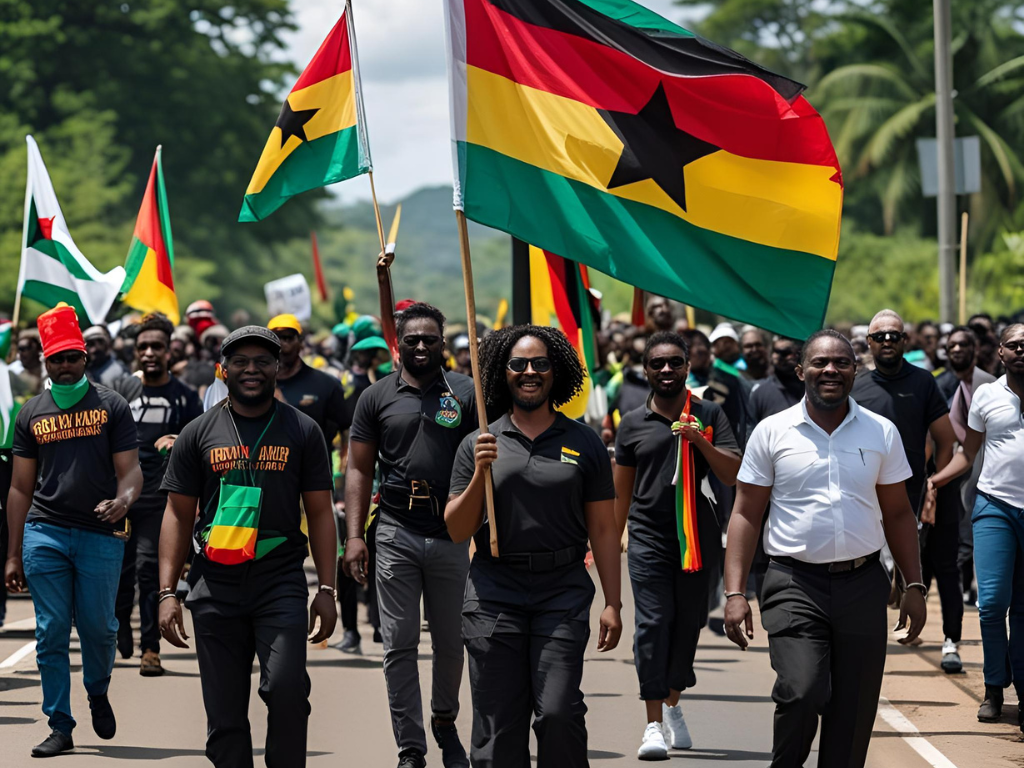
When the Drumbeat of Freedom Echoed Across Africa
Significance of Ghana’s Independence
- When One Nation Dared to Say “No More!”
- A Glimpse into Pre-Independence Ghana
- Kwame Nkrumah: The Spark That Became a Fire
- March 6, 1957: A Date That Rewrote African Destiny
- The Reactions: Global Shockwaves and African Hope
- What Changed Immediately After Independence?
- Important Takeaways for the 21st-Century African
- Ghana Walked So We Could All Run
1. Introduction: When One Nation Dared to Say “No More!”
Before 1957, every sub-Saharan African country was under European control. People were taxed, punished, dehumanized, and told they couldn’t rule themselves.
Then Ghana, led by the bold and unshakable Kwame Nkrumah, said, “Enough.”
And on March 6, 1957, the Gold Coast became Ghana, the first Sub-Saharan African country to gain full independence from colonial rule.
It wasn’t just about Ghana. It was a warning to the colonizers and a wake-up call to every other African nation: freedom is possible.
2. A Glimpse into Pre-Independence Ghana
Before its freedom, Ghana was known as the Gold Coast, a British colony with deep natural resources and deep exploitation.
Life Under British Rule:
- Forced labor on cocoa plantations and in gold mines.
- Limited political power. Africans couldn’t hold meaningful offices.
- British profits soared, while the people lived in poverty.
- Culture, language, and traditions were suppressed.
- Indigenous voices were ignored, and dissent was crushed.
But from this pressure came resistance.
3. Kwame Nkrumah: The Spark That Became a Fire
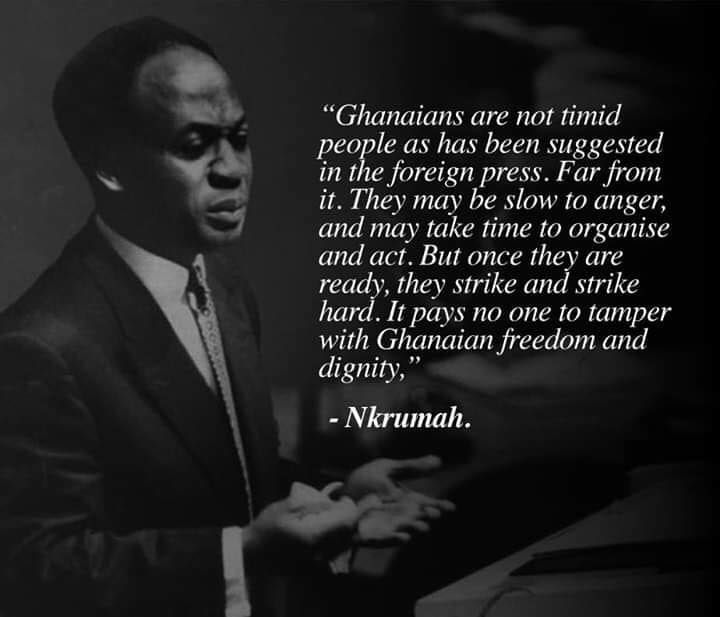
Kwame Nkrumah, the revolutionary mind who wouldn’t settle for half-freedom. He wasn’t just a politician, he was a visionary, an orator, a philosopher, and a pan-African prophet.
Who Was Nkrumah?
- Educated in the U.S. and U.K., where he studied Black liberation and Marxist thought.
- Founded the Convention People’s Party (CPP) with the cry: “Self-Government Now!”
- Imprisoned for activism but still won elections from behind bars.
- Mobilized women, market traders, farmers, and youth.
- Used radio, rallies, and print to spread a simple message: Ghana must be free.
He didn’t wait for permission. He forced a revolution with words and willpower.
4. March 6, 1957: A Date That Rewrote the African Destiny
At 12:01 a.m. in Accra, the Ghanaian flag rose for the first time, and colonial rule ended.
Nkrumah declared:
“At long last, the battle has ended! And thus, Ghana, your beloved country, is free forever.”
Key Milestones:
- The Union Jack came down, and the Ghanaian tricolor rose, red, gold, green, with a black star.
- Over 100,000 people celebrated in the streets.
- Nkrumah became Prime Minister, later President.
- Ghana joined the United Nations as an independent state.
- Symbolically, the Black Star Gate was erected to mark freedom’s dawn.
This wasn’t just politics. This was a spiritual shift, a declaration that Africa would no longer kneel.
5. The Reactions: Global Shockwaves and African Hope
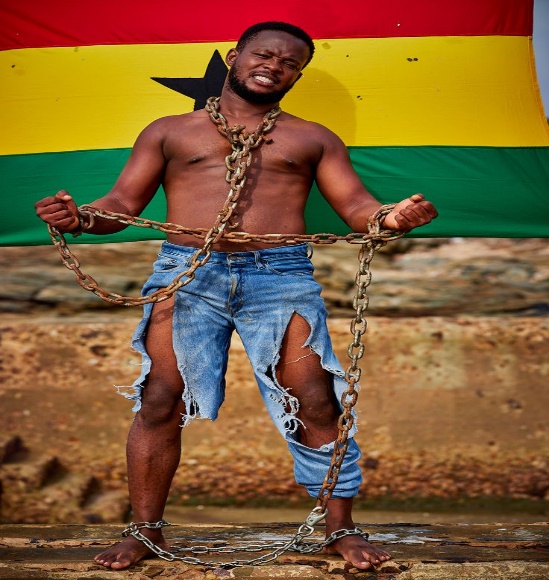
Ghana’s freedom shocked colonial powers, but inspired millions.
What Happened Next:
- Independence movements surged in Nigeria, Kenya, Tanzania, and more.
- Nkrumah became a global symbol of African strength.
- Civil rights leaders like Martin Luther King Jr. attended Ghana’s independence celebration.
- European governments started negotiating with other colonies, and freedom fever had spread.
- Ghana supported anti-colonial fighters across Africa with funding and training.
It was the beginning of the end for colonialism in Africa.
6. What Changed Immediately After Independence?
Ghana began building itself from the ground up. But it wasn’t easy.
Post-Independence Highlights:
- Built schools, hospitals, factories, and roads.
- Created national banks and institutions to drive African-led development.
- Became the hub for Pan-Africanism and hosted leaders like Patrice Lumumba and Haile Selassie.
- Challenges emerged too: political tensions, coups, and external interference.
- But the spirit of self-determination remained unbreakable.
7. Important Takeaways for the 21st-Century African
Ghana’s independence wasn’t just about borders, it was about dignity, destiny, and determination.
What We Must Learn Today:
- Leadership matters. One bold voice can change a continent.
- Economic independence is as important as political independence.
- Pan-African unity is not a dream, it’s a strategy.
- Culture is resistance. Hold your traditions close.
- If Ghana could win in 1957, we can build empires in 2025.
Final thoughts: Ghana Walked So We Could All Run
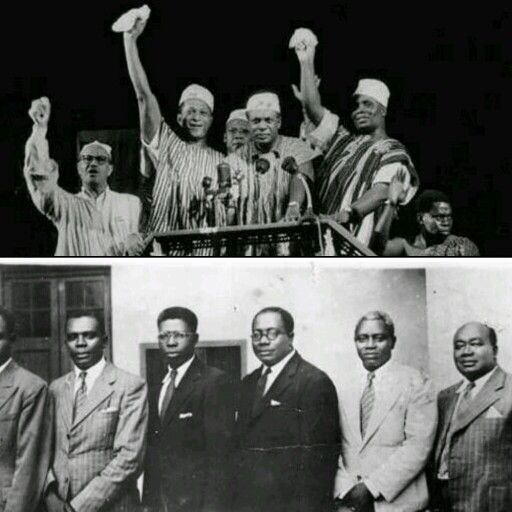
When Ghana gained independence, Africa was never the same.
One voice led millions. One step birthed a movement.
One dream refused to die.
So if you’re Black, African, or part of the diaspora, you are a descendant of freedom fighters.
Never forget:
You are the legacy of the drumbeat that said, “We will govern ourselves.”
And like Ghana did in 1957, your time to rise is now.
By the way, did you know that the First Sub-Saharan Country to Break Colonial Chains was Ghana and this means so much to Africans.