
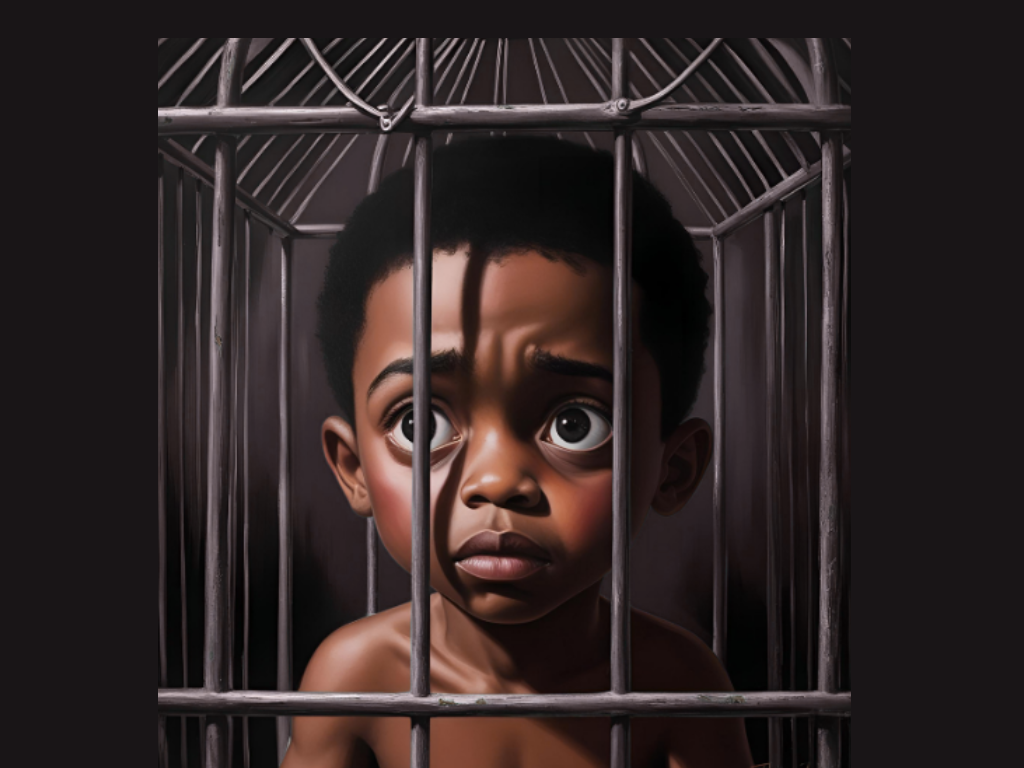
Uncaging the Truth: The Story of Ota Benga and the Rise of Black Dignity in the 20th Century
1. Why We Must Tell These Stories
- His origin in the Congo
- The brutal loss of his wife and children during colonial raids
- How he was “acquired” and transported to America
3. The Bronx Zoo Incident: Caged Like a Primate (1906)
- The literal exhibition of a human being in the Monkey House
- American media reactions
- The church and Black intellectuals’ outrage
4. The Pain of Ota Benga: From Laughter to Tragedy
- Psychological toll and alienation
- Attempts to “civilize” him
- His suicide in 1916: The silent scream of a man the world refused to see
5. The Real Message Behind the Cage
6. From Ota Benga to Afro-Futurism: Reclaiming the Black Image
1. Introduction: Why We Must Tell These Stories
In 1906, crowds flooded the Bronx Zoo, not just to see exotic animals but to gawk, jeer, and laugh at a young African boy caged like a wild animal.
This wasn’t a movie plot or dystopian fiction. It was real.
His name was Ota Benga, a Congolese boy. And for weeks, he was displayed inside the monkey house with orangutans.
Why are we telling this story today?
Because it’s not just about history, it’s about how the world has seen (and still sometimes sees) the Black body: something to control, cage, or commercialize. And it’s about how we must flip that script, rise up, and reframe the narrative.
2. Who Was Ota Benga?
Born: Late 1800s | Died: March 20, 1916
Homeland: Congo Free State (modern-day Democratic Republic of the Congo)
Before the zoo and the humiliation, Ota Benga was a boy from the Mbuti people of the Congo.
He lived a life of forest tradition, spirituality, and identity until Belgian colonizers ravaged his village.
Key Facts:
- Tribe: Mbuti pygmies, known for their deep forest lifestyle.
- Age at abduction: Approximately 23, though often infantilized by the media.
- His village: Destroyed in the colonial rubber trade violence of the Congo Free State.
- Captured by: Slave traders and later “purchased” by American missionary Samuel Verner.
He was brought to the U.S. in 1904 and put on display at the St. Louis World’s Fair alongside other African and Filipino individuals in an “ethnological exhibition.” People came to stare, laugh, and gawk, not knowing (or caring) that they were looking at a broken man, not a sideshow.
3. The Bronx Zoo Incident: Caged Like a Primate (1906)
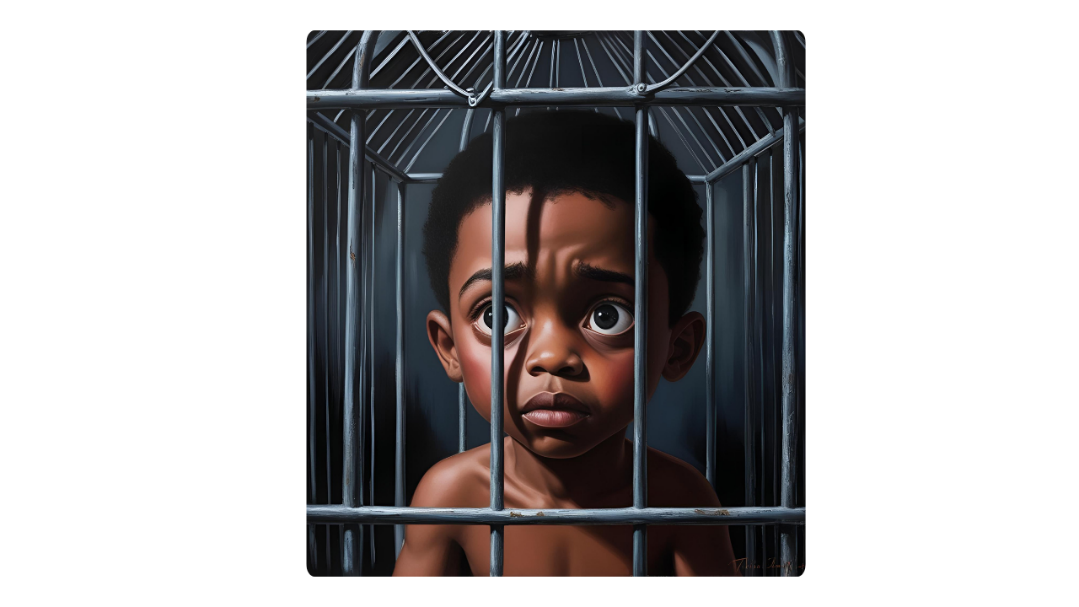
Verner brought Ota to the U.S. under the guise of anthropology. He was displayed at the 1904 St. Louis World’s Fair, then taken to New York.
How it went down:
- St. Louis Fair: Billed as a “primitive” for scientific study.
- Reception: Treated more as an oddity than a human being.
- Transferred to Bronx Zoo (1906): Housed in the monkey house.
- Zoo Director: William Hornaday, who defended the exhibit.
This wasn’t anthropology. It was modern-day human zoo-keeping.
Public and Clergy Outrage
While some newspaper headlines promoted it as fun, Black ministers and communities fought back.
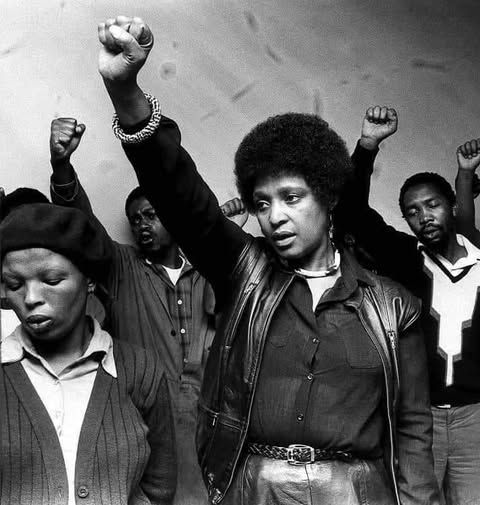
Resistance Came From:
- Black churches in New York called it “inhuman and degrading.”
- The Colored Baptist Ministers’ Conference demanded his release.
- Public protesters gathered outside the zoo gates.
- Eventually freed, but after weeks of humiliation.
Still, the damage had been done.
4. The Pain of Ota Benga: From Laughter to Tragedy
After his release from the zoo, Ota Benga was placed in the Howard Colored Orphan Asylum in Brooklyn and later moved to Lynchburg, Virgini.
Despite efforts to integrate him into society, he remained despondent, longing to return to Africa. In 1916, at the age of approximately 25, Ota Benga took his own life by shooting himself in the heart.
This wasn’t just about a boy, it was a message to the world that Black bodies were curiosities, not citizens. That Black pain could be turned into white laughter.
But let this also be the message we send back:
We are not your animals. We are not your exhibits. We are not your punchline.
We are visionaries, builders, philosophers, kings, queens, and warriors.
5. The Real Message Behind the Cage
Let Ota Benga’s story move you, but let it also mold you. Here’s what we can carry forward:
- Know your history, even the parts they try to bury.
- Understand the power of dignity.
- Refuse to be dehumanized, anywhere.
- Use your voice and platform to challenge injustice.
- Build spaces where Black identity is protected, celebrated, and defended.
6. From Ota Benga to Afro-Futurism: Rewriting the Narrative
Ota Benga’s story reminds us of what the world once thought of us.
It reminds us that we still have a long way to go.
But more importantly, it reminds us that our narrative is ours to reclaim.
Let this history fuel your hustle. Let the pain provoke your purpose. Let the past be the soil where your revolution grows.
By acknowledging and learning from such histories, we can challenge ongoing injustices and work towards a more equitable future.
Conclusion:
Ota Benga’s life, though marred by tragedy, is a testament to the resilience of the human spirit. By remembering and honoring his story, we affirm the dignity and worth of all individuals, regardless of their origin. He Was Not a Spectacle, He Was a King.