
Afropean Identity: What It Means to Be Black and European Today
Between Two Worlds, Beyond Both
What does it mean to be Afropean in 2025?
It’s more than being Black in Europe. It’s a layered identity, complex and constantly evolving. To be Afropean is to feel at home in two rhythms: the soft jazz of Parisian cafés and the booming drums of a Nigerian wedding. It’s speaking fluent German with your friends and switching to Yoruba on FaceTime with your mom. It’s the quiet pride of blending identities and sometimes, the pressure of being asked to “pick one.”
Born from a history of migration, colonization, war, and survival, Afropean identity today stands tall not in confusion, but in confluence. It challenges the Western binary of either/or and proudly embraces the both/and.
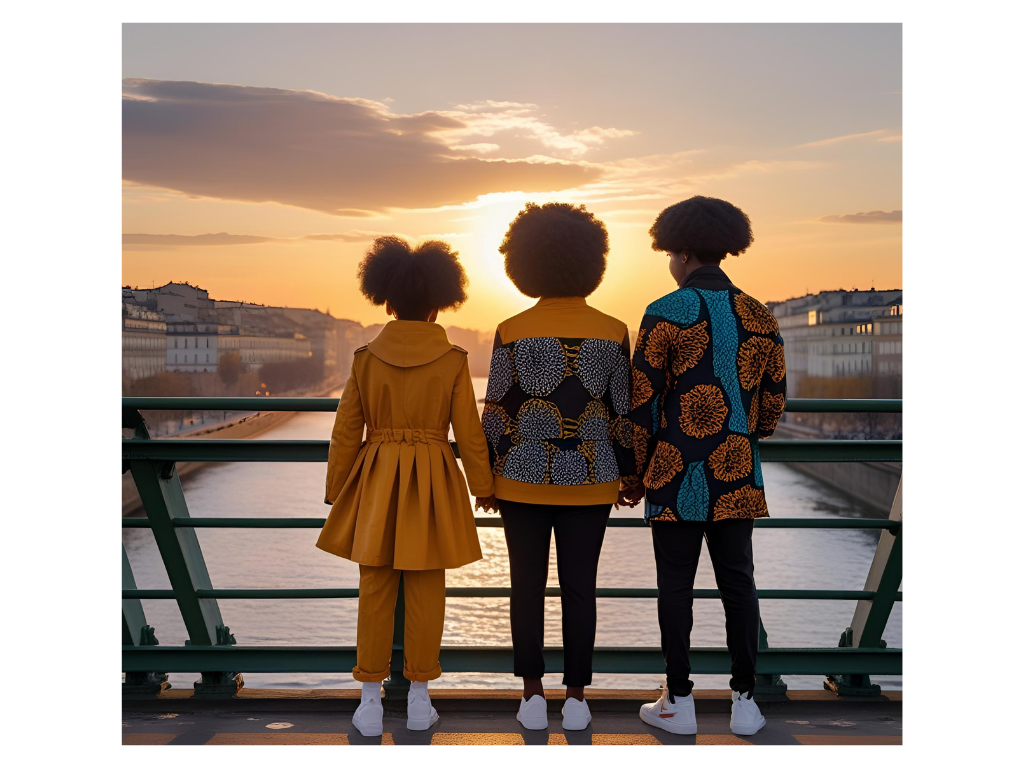
Afropean is not assimilation. It’s a redefinition. It’s not an echo. It’s a new voice—rooted in two soils, yet sprouting something beautifully distinct. From Berlin to Brussels, from Lisbon to Lyon, Black Europeans are crafting an identity that wears both Ankara and Adidas, that listens to Burna Boy and Beethoven.
This article explores the landscape of Afropean identity today: its struggles, its expressions, its politics, and its promise. It’s about those who grew up watching Nollywood on Saturday and riding trams to school on Monday. It’s about food, language, history, rhythm, and resistance. It’s about building a new Europe; one where we don’t erase our Blackness to belong, but expand what belonging even means.
Let’s walk that line, proudly, creatively, Afropean.
Redefining Europeanness Through a Black Lens
Europe has never been only white. From the Moorish rulers of Spain to the post-WWII waves of African and Caribbean migrants, the continent has always held a mix of stories. But it took until now for Afropeans to start defining Europeanness on their own terms.
The typical European identity rooted in café culture, Enlightenment ideals, and Eurocentric beauty standards is slowly being challenged. Young Black people across the continent are questioning: What if Europe had included me from the beginning? What if I didn’t have to apologize for my hair, my history, or my homeland?
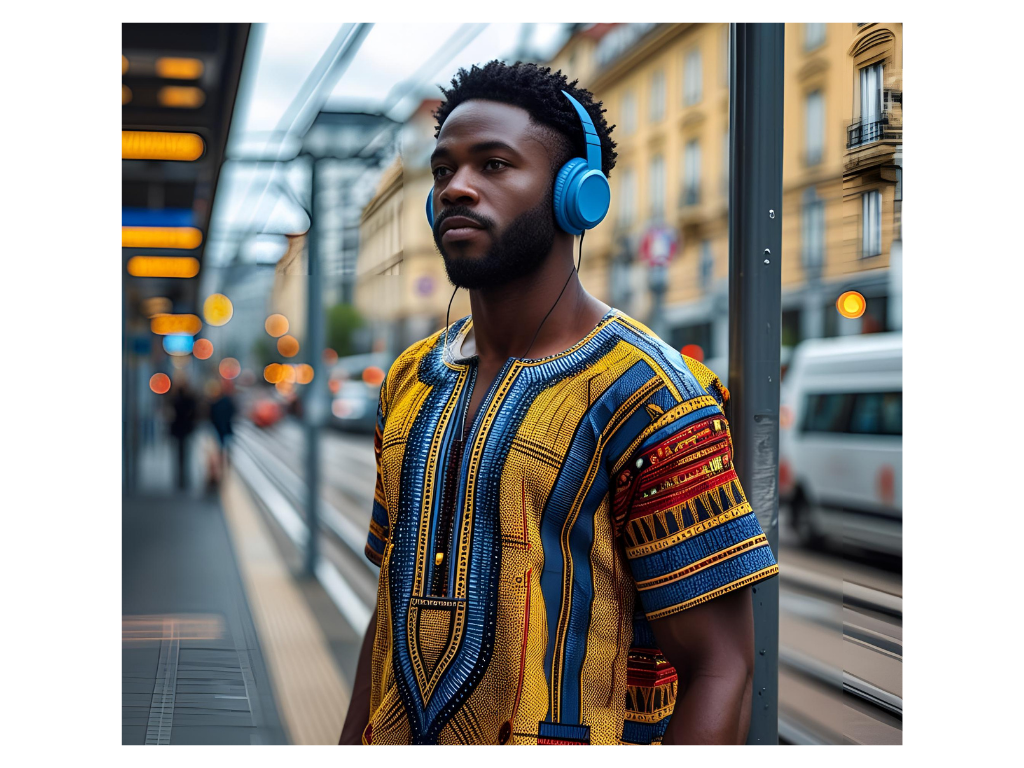
Today’s Afropean generation is embracing the idea that to be European does not mean white, cold, or colonial. It can mean Senegalese and Swedish. Angolan and Austrian. Jamaican and German. And each of these combinations comes with new ways of walking, speaking, dressing, and creating.
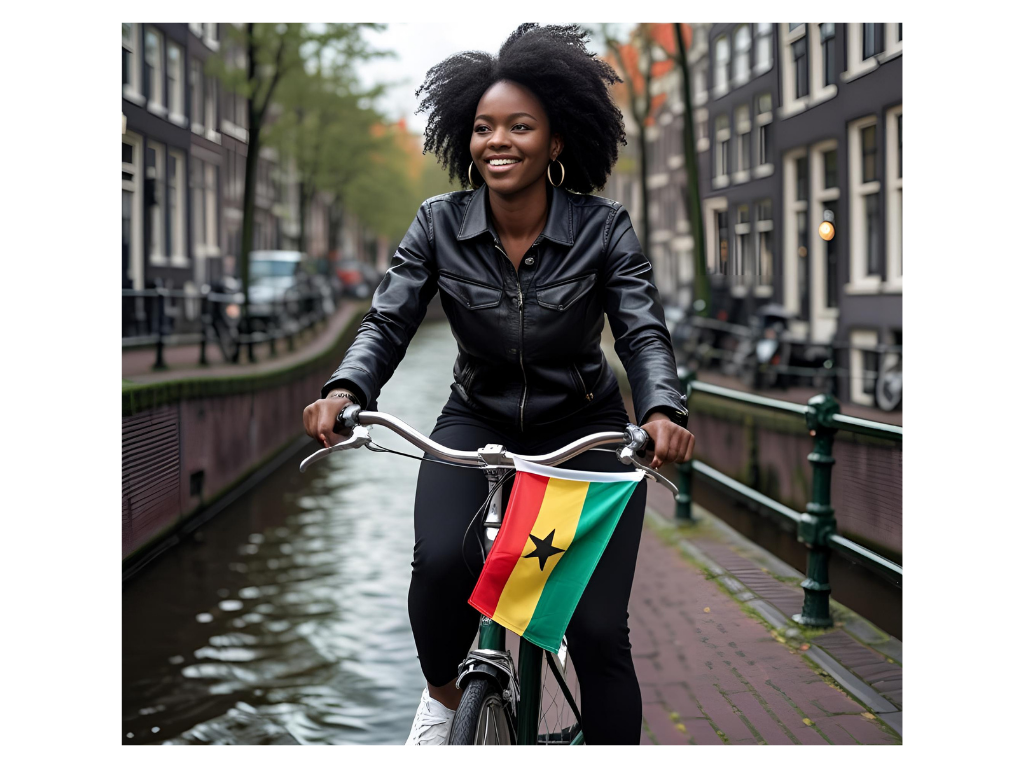
Through art, language, protest, and presence, Black Europeans are reshaping what it means to belong. From owning property in Amsterdam to holding office in Brussels, from starting Afro hair salons in Paris to launching Pan-African book clubs in Madrid, Afropeans are redefining “European values” through a lens that honors their ancestry.
Being Afropean isn’t about choosing a side. It’s about building a third space, a cultural intersection where stories collide and become something entirely new. And in that space, there is power.
The Rise of Afropean Culture: Style, Sound, and Story
If Afropean identity is a feeling, then Afropean culture is the expression of that feeling in sound, style, and story.
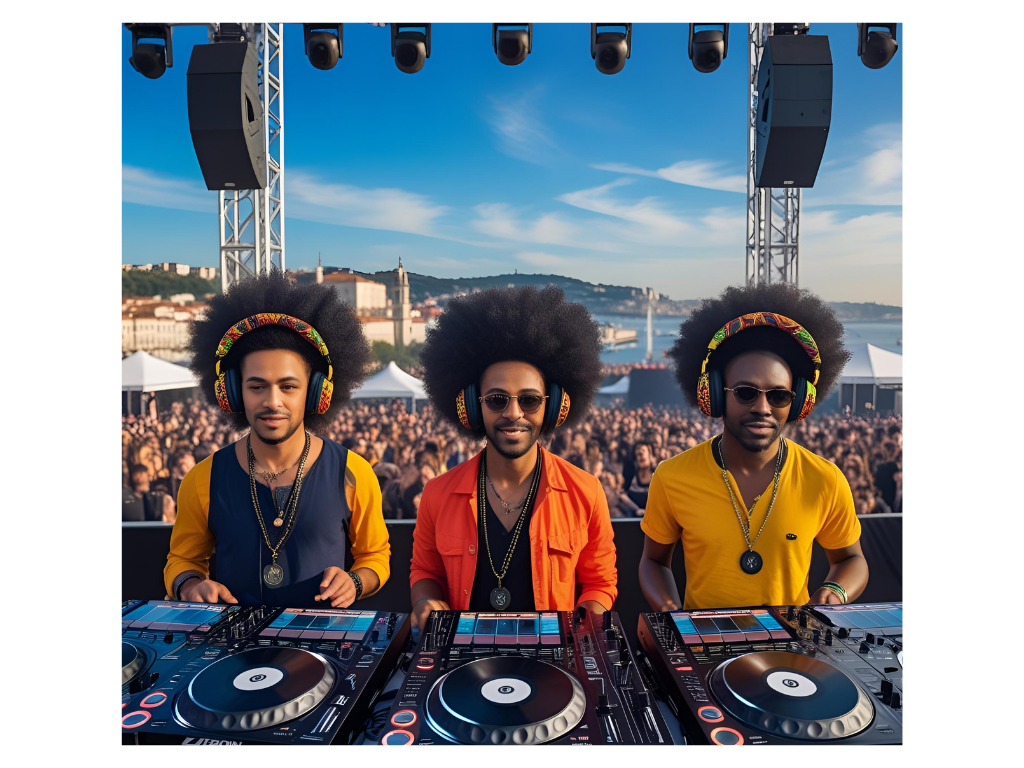
Afrobeats echo through Berlin block parties. Ankara prints remix into streetwear, seen in Barcelona’s underground fashion shows. Poets in Brussels fuse Wolof with French to tell stories of migration and memory. Podcasts discuss everything from colonial education systems to Caribbean cooking in cold climates.
Afropean culture is fusion but not confusion. It’s the art of combining elements without losing the soul of either one.
Fashion, for example, has become a major vehicle for Afropean pride. Designers like Imane Ayissi and Daily Paper are blending African heritage with European minimalism to create pieces that are proudly diasporic. The look isn’t just “urban,” it’s ancestral and futuristic at once.
Music plays a huge role, too. Artists like Stromae, Little Simz, and Burna Boy (on his European tours) are not just global superstars—they’re the soundtrack to the Afropean experience. They carry stories across borders, weaving rhythm with resistance.
Storytelling is perhaps the most powerful thread. Whether it’s through novels like “Afropean” by Johny Pitts or grassroots zines by young creators in Milan, these stories are saying: We’re here. We’ve been here. And we have something to say.
Language, Accent, and Belonging: Owning the Diaspora Dialect
Language is identity. But what happens when you speak multiple tongues and none of them feel fully like yours?
Many Afropeans grow up speaking one language at home (Igbo, Somali, Haitian Creole) and another in public (French, Dutch, German). And in that space between accents, mispronunciations, and code-switching is a new language forming a diaspora dialect.
This dialect isn’t just verbal. It’s cultural. It’s the way you say “Omo!” after a stressful Zoom call. The way your email signature reads “Kind regards,” but your WhatsApp says “You dey whine me?” It’s hearing Afrobeats in the gym and calling your uncle “Big Man” in front of your Polish coworkers.
The Afropean dialect is a rebellion. It refuses to shrink or polish itself for the comfort of European palates. Instead, it brings the warmth, rhythm, and audacity of Black speech into spaces that once demanded silence.
And now? That dialect is monetizable. Creators who lean into their accent, cadence, and linguistic background are standing out in podcasting, coaching, TikTok, and storytelling.
Microaggressions and Macromovements: Resistance as Culture
Being Afropean isn’t always poetic. It’s navigating racism in systems that claim to be progressive. It’s the colleague who touches your hair “because it’s so exotic,” the professor who won’t pronounce your name, the policy that treats your passport like a risk.
But here’s where the Afropean flips the script: Resistance becomes culture.
Every clapback is a cultural statement. Every protest is a cultural offering. Every refusal to assimilate quietly is a form of art.
From the Black Lives Matter protests in Paris to campaigns like #WeAreBornHere in Italy, Afropeans are using their visibility to demand better—and design better. We’re not just talking diversity. We’re demanding reparative presence. We’re not asking to be included. We’re showing up, unfiltered.
Through TikToks, collectives, legal action, and events, Afropeans are reshaping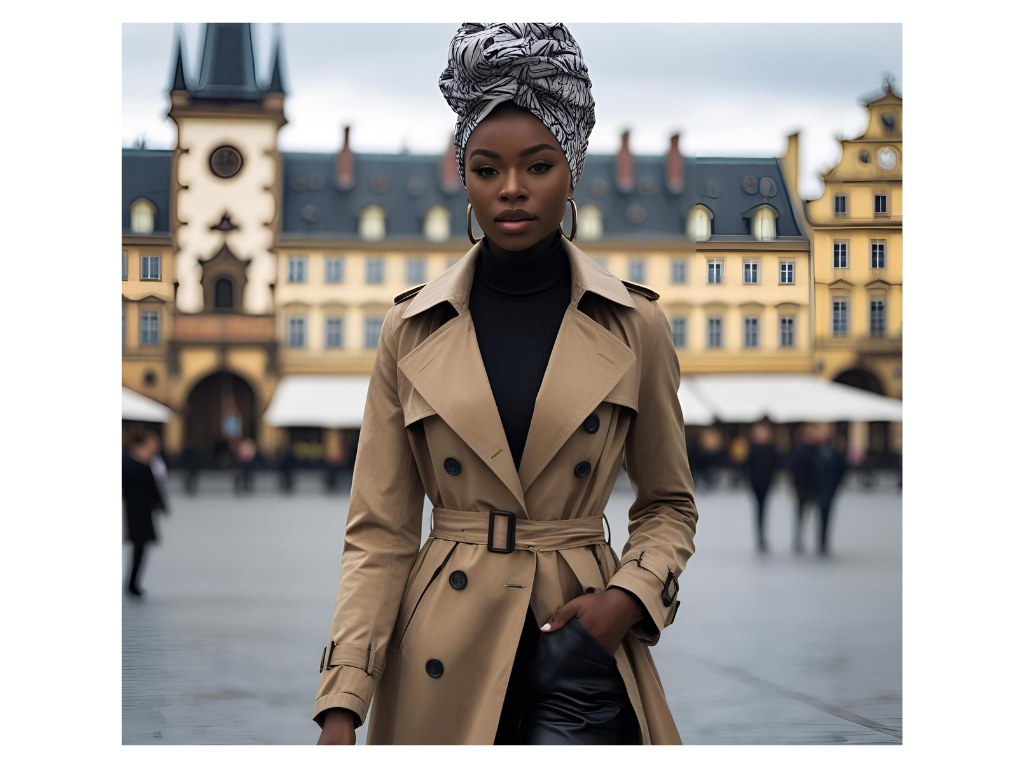
Afropean Spaces: From Underground Scenes to Digital Homes
Afropeans may be underrepresented in mainstream media, but they are overrepresented in the underground.
Across Europe, hidden scenes have emerged:
- Secret supper clubs serving Afro-Caribbean fusion
- House parties with Congolese DJs and trap remixes
- Writing workshops in Afro-Dutch Creole
- Instagram pages curating the Black Berlin experience
What unites them? They are created by us, for us.
More recently, Afropeans have been claiming digital space. Websites, blogs, YouTube channels, and podcast networks are building diasporic media empires that reject tokenism and tell real stories.
You don’t need a publisher’s or platform’s permission. You need:
- A domain
- A mailing list
- A voice. Your voice.
Afropean Futures: Building the Next Chapter
Afropean identity isn’t static; it’s building. And what’s next?
- More ownership
- More publishing
- More policy power
- More intergenerational healing
The Afropean of the future will be multilingual, multi-skilled, media-savvy, and mission-led. They won’t just blend in, they’ll build new standards.
They’ll own bookstores, lead tech startups, redefine family roles, start podcasts for toddlers, and publish curriculum for schools across Europe.
Afropean identity is not a crisis. It’s a calling. To carry history and future in one body. To speak many languages, feel at home in many places, and still know where your soul lives.
It is the dance between diaspora and destination. Between remembering who we were and choosing who we’ll become.
At its best, Afropean identity is a bridge between cultures, between generations, between silence and speech.
So if you’ve ever been asked to pick a side, smile and say, I build my own lane. Find out the true meaning of leadership here.