
Where Are the Black Fathers in Europe?
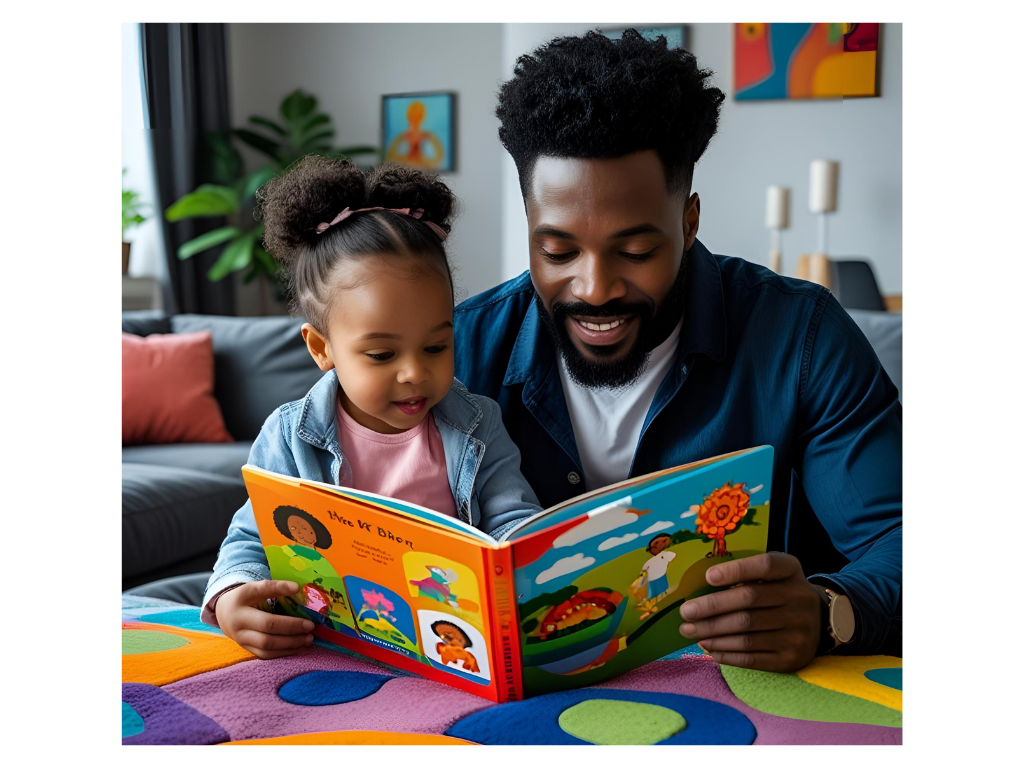
They’re here. In Berlin. In Rotterdam. In Birmingham. At school drop-offs, at work, on Zoom, in grocery stores, in playgrounds, and in the kitchen braiding their daughters’ hair.
The problem is not presence. The problem is representation.
Far too often, the global narrative around Black fatherhood is steeped in tropes of absence, abandonment, or hyper-discipline. Especially in Europe, the Black father is either invisible or vilified. But what’s missing from these portrayals is the everyday magic: the joy, the wisdom, the growth, the gentle presence, and the laughter.
We need new stories.
Stories of the Nigerian father in Paris coaching his daughter’s football team. Of the Somali dad in Oslo who reads bedtime stories in both Somali and Norwegian. Of the Jamaican-British stepfather who taught his stepson how to braid hair and speak with integrity.
These aren’t exceptional men. They’re everyday fathers doing extraordinary work—emotionally, financially, and spiritually.
And they’re reshaping what it means to lead, to nurture, and to build legacy in a European context.
“We are not broken. We are building.”
Raising Dual Heritage Children with Intention
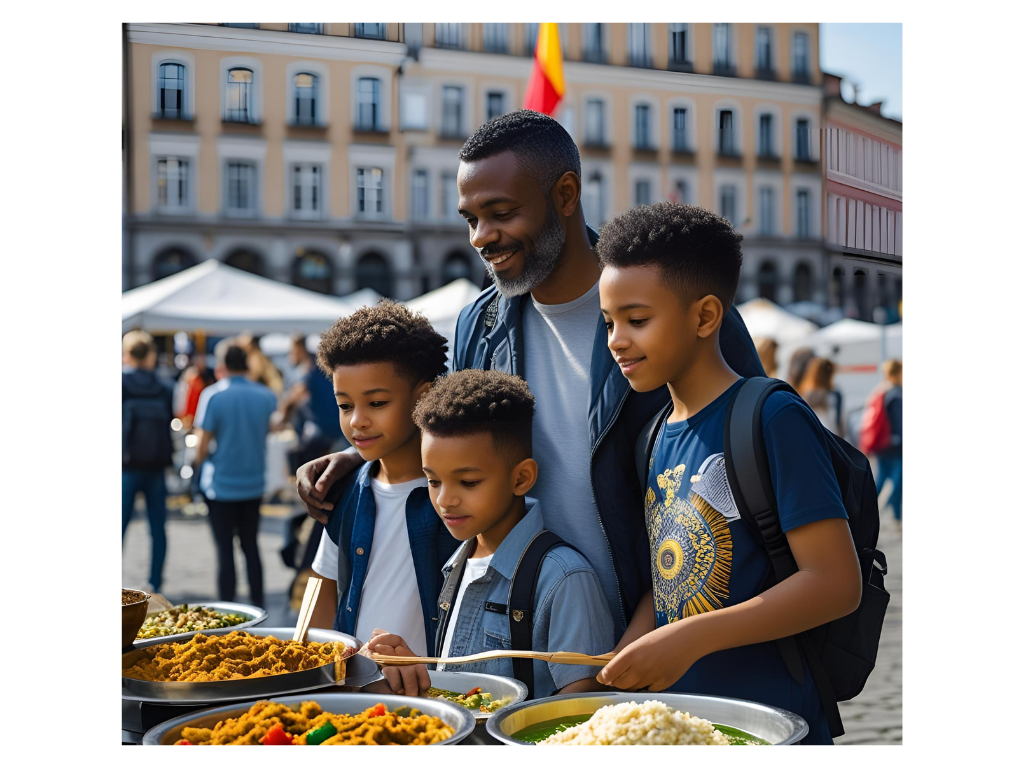
Modern Afro-European families often include children with dual or multiple heritages. That means navigating multiple cultures, languages, identities, and unfortunately, multiple systems of oppression. For Black fathers, this calls for intentional parenting.
This isn’t just about protection. It’s about preparation. And celebration.
Strategies that matter:
- Speak your native language(s) at home.
Children who know their linguistic roots have stronger identity anchors. Yoruba, Twi, Somali, Patois, Igbo—these languages carry culture, rhythm, and wisdom. - Celebrate both (or all) sides of your child’s heritage.
If your child is Afro-German, for example, celebrate German traditions and African ones. Let them feel whole, not split. - Introduce discussions around race and pride early.
Children encounter racism early. Equip them with language and pride, so they don’t inherit shame. Books, storytelling, and age-appropriate conversations are key. - Create rituals of belonging.
Trips to the African market. Sunday jollof night. Story time in your native language. Affirmation routines. These rituals ground identity and celebrate difference. - Be honest about your own healing.
You don’t have to be a perfect father. But you should be a healing one. Children learn more from your modeling than your preaching.
“How I’m Raising My Children With Dual Heritage in Germany” isn’t just a blog post. It’s a revolutionary act of storytelling.
From Fatherhood to Entrepreneurship: Building Wealth Through Care You don’t have to have all the answers. You just need consistent tools that help you reflect, connect, and grow. Parenting is both strategy and spirit—and sometimes, the right tool unlocks a whole new level of bonding.
Tools worth integrating into your parenting toolkit:
Journaling Apps like Day One, GoodNotes, or Journey help fathers track their growth, reflect on their parenting choices, and stay emotionally aware.
Books such as “I Am Enough” by Grace Byers, “Hair Love” by Matthew Cherry, and “Sulwe” by Lupita Nyong’o provide language for self-love, race, and pride.
Bonding Routines: Co-journaling with your child, storytelling nights, creative art sessions, or using audio stories from platforms like Audible can become sacred moments.
Mental health check-ins: Weekly or monthly family “check-ins” can normalize emotions, anger, anxiety, and joy.
Spiritual practices: Shared prayer, mindfulness breathing, gratitude rituals, and visits to cultural spaces can nurture the soul and the spirit of fatherhood.
A father who journals, reads, listens, and breathes with his child builds more than a home—he builds legacy.
Many Black fathers in Europe are turning their journey into economic empowerment. By documenting their experiences, building tools, or creating content, they are transforming care into capital.
Ideas for Entrepreneurial Afro-Fatherhood:
Launch a Podcast: Talk about fatherhood, masculinity, dual identity, and culture. Invite other Black dads to share their stories. Format: 15-30 minutes per episode. Low barrier to entry.
Create Journals or Planners: Design reflective journals specifically for Black fathers. Use platforms like Amazon KDP to self-publish and monetize.
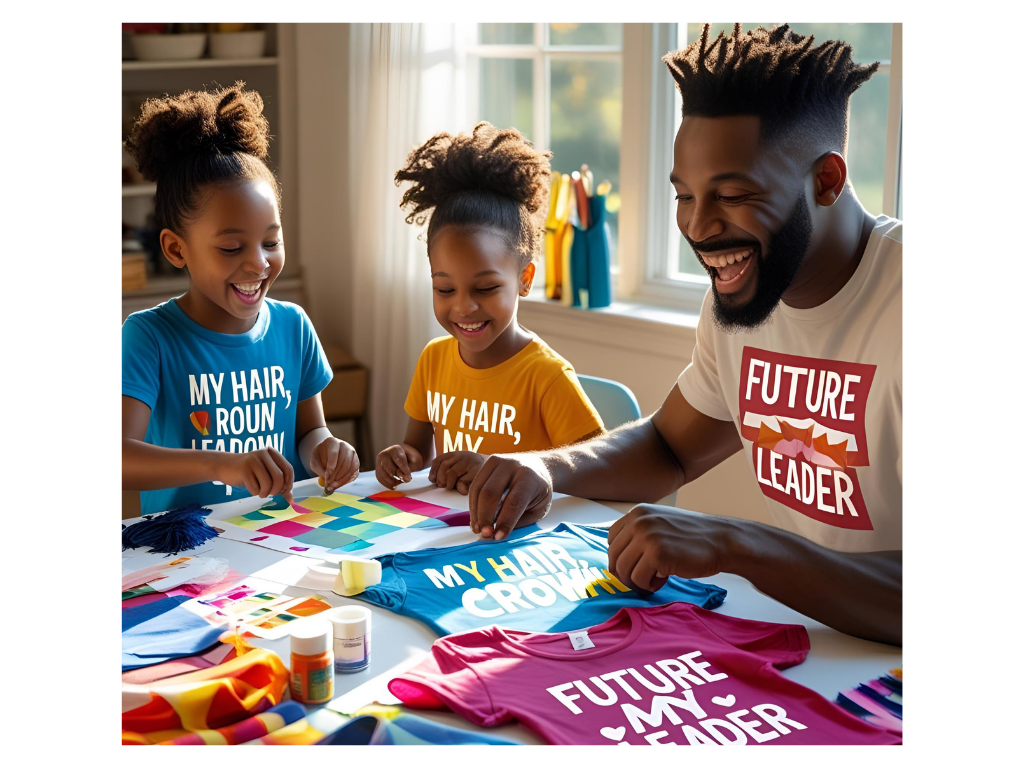
Sell Afro-affirming Merchandise: Start a Shopify or Etsy store with shirts, mugs, stickers, or wall art that celebrates fatherhood, Black love, and identity.
YouTube Reviews: Review toys, books, family tech, or even strollers that Black families might find useful. This can also open the door to affiliate marketing partnerships.
Host Virtual Father Circles: Create paid monthly sessions where Black dads across Europe check-in, talk, and support each other.
Fatherhood isn’t just about legacy. It can also be a livelihood.
Let’s say this clearly: Strength is not silence. Power is not stoicism.
Black masculinity, especially within the European context, has long been distorted through colonial, racist, and media-driven lenses. To heal, we need to rewrite these definitions.
Modern Black masculinity means:
Being soft when it’s needed
Being fierce when called for
Being wise when it counts
Being present always
A father who apologizes. Who cries. Who asks for help. Who shows affection. Who shows up to therapy. These are the markers of real strength.
Cultural pressure says: Hide your feelings. Provide money. Be unshakeable.
Afro-fatherhood says: Share your feelings. Provide presence. Be teachable.
This is especially important for sons who often mirror their father’s behaviors. A generation of boys raised by emotionally literate, expressive Black men could transform not just families but societies.
“You don’t need to be perfect. Just present, patient, and always trying.”
Many Black families in Europe are choosing to supplement, question, or even replace the Eurocentric educational narratives their children receive in school.
As a father, you can be an architect of your child’s educational world.
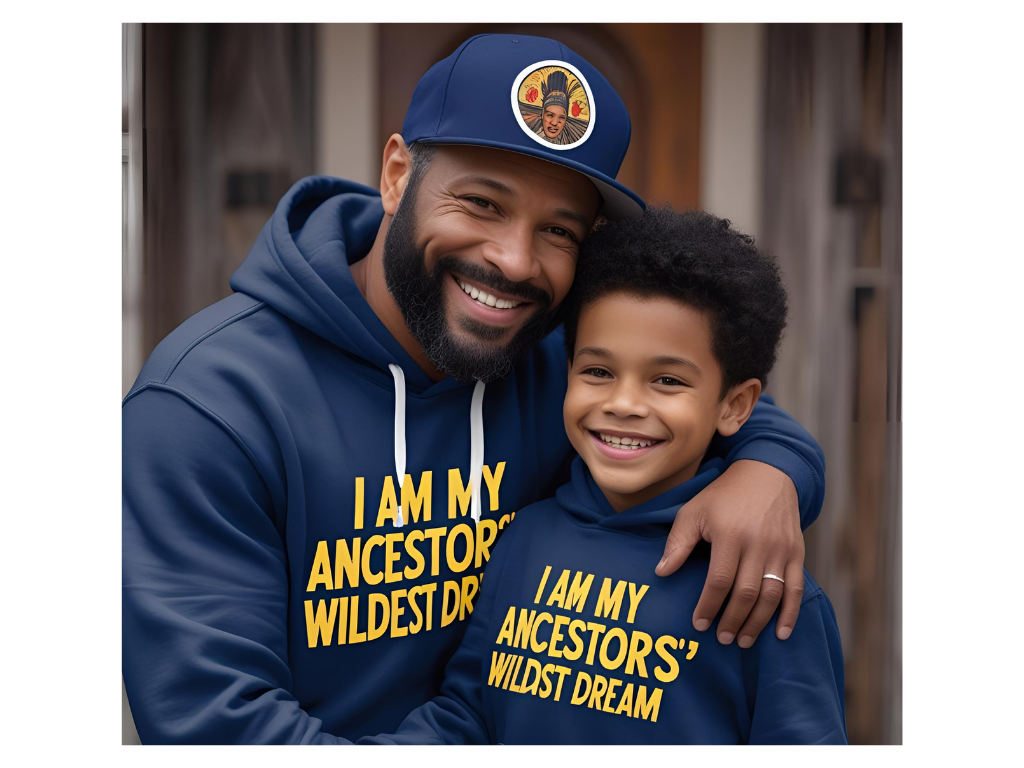
Steps to Start Your Learning Ecosystem:
- Curate a home library of books with Black and Afro-European protagonists
- Explore YouTube channels that teach African history and languages
- Purchase or self-publish children’s books through Amazon KDP
- Create a book nook at home—visible, cozy, and full of representation
- Integrate journaling, discussion, and storytelling into weekly routines
Your home can be the first school of identity, pride, and purpose.
Community Building: From Isolation to Connection
Many Black fathers in Europe report feeling isolated—especially in countries where the Black population is small or scattered. The antidote to isolation is intentional community.
How to Build It:
- Start a WhatsApp group or Telegram channel for Black fathers in your city
- Host monthly meetups (coffee shops, parks, Zoom)
- Create a newsletter or Substack where you reflect on the journey
- Partner with schools or community centers to offer mentorship
You don’t need thousands of followers to make impact. Start with five dads. Share stories. Exchange tools. Offer support. Community doesn’t need scale—it needs consistency.

A Future Built by Fathers
Black fatherhood in Europe is not a crisis. It is a quiet revolution.
Men raising children with love and intention. Men healing while leading. Men writing new definitions of masculinity. Men who are here, rooted, and rising.
Whether you’re a co-parent, stepdad, single dad, or mentor, your role is sacred. You are not just raising children. You are raising possibility.
Let your presence be felt in the kitchen, the classroom, the boardroom, and the playground.
Because the future won’t just remember what you said—it will remember what you showed up for.
We’re here for the dadpreneurs, the culture builders, the soft-but-strong warriors building futures one hug, one story, and one lesson at a time.
You are seen.
You are necessary.
You are legacy in motion.