

Write That Book, King: A Black Man’s Guide to Telling His Story and Building His Legacy
Table of Contents
- What is a book; Really?
- Why the black man should write a book
- Who Can Write a Book?
- How You Can Actually Start Writing a Book
- What Mindset Should You Be In When Writing?
- What Are the Benefits of Writing a Book?
- The Effect of AI on Writing Your Book
- Types of Books You Can Write
- Choosing the Right Type of Book for Your Story
- Generalist vs. Specialist Writing: Which Path Should You Take?
- How Habits Shape Your Writing Journey
- What Kind of Attitude Makes a Great Writer?
- Is Writing a Book All About Selling?
- Where Creativity Shows Up in Your Writing
- Should Your Book Be for Everyone?
- The Best Way to Structure a Book
- How Can You Publish Without a Big Publisher?
Introduction
Ever wondered what it means to write a book? For the Black man, writing a book isn’t just about telling a story; it’s about claiming space in a world that often tries to silence us. A book preserves your experiences, ideas, and wisdom in a form that others can learn from, relate to, or be inspired by. It makes your journey accessible to future generations. To write a book is to express yourself with ink on paper, but this time, with the aim of changing lives, healing generations, and building revolutions.
1. What Is a Book; Really?
The dictionary describes a book as a physical or digital object containing written text or images, typically bound together between covers. It serves as a medium for conveying information, storytelling, and other forms of communication.

To a Black man, a book isn’t just printed pages; it’s:
- A legacy tool
- A documented experience
- A bridge to your audience
- A permanent stamp of your voice in the world
- A vessel of memory
- A place where the unsaid gets said, where truth slips past censors and dances boldly on the page.
- An expression of survival, a quiet protest wrapped in paragraphs, a monument to our dreams, struggles, and brilliance.
It’s the voice our grandfathers buried in silence, the wisdom our uncles dropped between sips of palm wine, the resilience our fathers wore without bragging.
You don’t need to be Shakespeare to write one. You just need your story.
2. Why The Black Man Should Write a Book

To Take Control Of The Narrative
- Because History Was Written By Your Oppressors
For centuries, the oppressor defined Blackness through stereotypes (the brute, the clown, the criminal).
Slaveholders, media, and institutions erased your humanity—control your story to reclaim it.
Example: The “absent Black father” myth ignores generations of Black men torn from families by slavery, prison, and systemic poverty.
- Create A New Self-Image – Your Survival Depends On It
Letting others narrate your life puts you in constant defense mode (e.g., “proving you’re not a threat”).
Self-definition = self-preservation.
Example: Trayvon Martin’s narrative was hijacked; his killers painted him as “dangerous” while his family fought to show he was a child.
- To Break Generational Curses And Build Positive Personal Understanding
Trauma lives in unspoken stories. Healing begins when you name your pain and power.
Rewriting your narrative frees your sons from the same lies.
The ability to pass down what constitutes your fears, pain, and strength will change what the next generation will think of themselves—cementing your wisdom in their daily steps.
- Because Your Truth Fuels Movements – Revolutions start with storytelling.
Example: Malcolm X’s autobiography didn’t just tell his story—it became a blueprint for defiance.
- The World Profits From Your Silence
Media, corporations, and politicians commodify Black culture but suppress Black voices.
Control your narrative = control your value.
Example: Hip-hop’s billion-dollar industry rarely benefits Black artists equally.
- You Are More Than Your Struggle
You’re not just “resilient” or “oppressed”—you’re innovators, poets, fathers, and dreamers.
Claim the full spectrum of your identity.
Example: Films like King Richard (Venus/Serena Williams’ dad) show Black fathers as strategic, loving leaders—not tropes.
3. Who Can Write a Book?
Short answer: You.
When we say you, we don’t mean everyone because, truth be told, not everyone can do this. However, if you find that you are passionate about sharing your ideas and thoughts, then you probably should consider writing a book. It’s not as hard as you think, but here’s what you should know:
- You don’t need a degree
- You don’t need to be “famous”
- You don’t need a publisher (at least not at first)
- You just need a voice and a message
If you’ve lived, loved, failed, or fought, then your story is valid.
4. How You Can Actually Start Writing a Book

- Decide on your message (What do you want the reader to walk away with?)
- Choose a format: memoir, how-to, poetry, fiction?
- Create a chapter outline
- Set small writing goals (e.g., 300 words a day)
- Stay consistent, even when you feel stuck
Your story can be told in numerous forms. Yes, it can be a personal event, however, you are known for your artistic prowess. A story written in fictional tales can also portray the message you intend to pass across. There is no limit to what you can write or how it should be expressed. This is your story; all you need to do is take that first step, pick your pen, and start.
5. What Mindset Should You Be In When Writing?
When you write from a place of chaos, it will birth confusion. Writing from revolution, peace, power, and presence will give your words the fire and clarity they need. Your mind is your battlefield and your sanctuary, so guard it.
A good mindset doesn’t mean perfection; it means intentional energy.
So, while writing,
- Be honest: write from the soul, not ego
- Be patient: it won’t be perfect the first time
- Be intentional: You know your why
- Be fearless: your story deserves space

Writing is a spiritual act. Protect your energy while you do it.
6. What Are the Benefits of Writing a Book?
There’s healing in expression. There’s liberation in authorship. Writing can make you whole in places therapy hasn’t reached.
It is not just about financial gains and being known; it’s about being able to put out yourself in power without fear or prejudice. If you truly desire a sense of fulfillment that no external validation can provide, then you are already on the right track.
Other benefits include;
- You gain clarity and closure
- You boost your credibility and authority
- You open doors for business, speaking, and teaching
- You leave behind something timeless
- You grow personally, emotionally, mentally, spiritually
7. The Effect of AI on Writing Your Book

- AI can assist with structure, grammar, and ideas—but it can’t replace your soul
- Don’t let it dilute your voice
- Readers crave raw truth, not robotic polish
- Use AI to enhance, not replace, your thoughts
- Keep your writing human, emotional, real
- Your story deserves authenticity
Who can tell your story better than you, dear black man? AI?
No, not at all. You have within you the ability to be creative just like your ancestors and to boldly tell your story without it being infiltrated or silenced by any artificial intelligence. History will be proud of you if only you let the creative side of you pop out in confidence and not low self-esteem.
8. Types of Books You Can Write
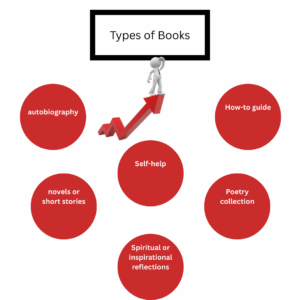
- Memoir/autobiography
- Self-help or motivational
- How-to guide
- Fiction (novels or short stories)
- Poetry collection
- Spiritual or inspirational reflections
Do you know that you don’t have to fit into someone else’s category?
Your story can shape its own lane. Your book can take any form that feels true provided you are expressive, ready and fearless.
9. Choosing the Right Type of Book for Your Story
Are you aware that the best book to write is the one that won’t leave your spirit alone? Now I have to ask,
What’s burning inside you?
What have you survived, mastered, or learned that someone else needs?
That right there, yes, that’s your lane.
- What do people ask your advice about?
- What’s your most powerful life experience?
- What do you love talking about for hours?
- Do you want to teach, entertain, or inspire?
- Which format feels most natural to you?
When you can answer these questions, you begin to grow from there, and nothing can stop you
10. Generalist vs. Specialist Writing: Which Path Should You Take?

- Generalist = wide range of topics, broader appeal
- Specialist = deep expertise in a niche
- Generalists are relatable, specialists are respected
- Choose based on your voice and long-term goals
- You can start broad and narrow later
- What matters is consistency, not complexity
11. How Habits Shape Your Writing Journey
- Writing daily, even 10 minutes, builds momentum
- Reading often fuels your creativity
- Journaling clears mental clutter
- Mindful routines protect your writing space
- Health (rest, hydration, focus) affects your output
- Small habits = big results over time
12. What Kind of Attitude Makes a Great Writer?
- Curiosity: Always ask questions
- Discipline: Show up even when uninspired
- Vulnerability: Your truth is your superpower
- Confidence: Trust your voice
- Humility: Always be learning
- Grit: It’s a marathon, not a sprint
13. Is Writing a Book All About Selling?

- Selling is part of it but not the soul of it
- Write to connect, not just convert
- Sales come when people feel seen and understood
- Impact drives influence (which leads to income)
- Write with service in mind
- Make it meaningful, not just marketable
14. Where Creativity Shows Up in Your Writing
- In the way you tell your story
- In your tone, voice, humor, and pain
- In how you structure chapters and themes
- In the analogies, lessons, and symbols you use
- In mixing truth with imagination
- In letting the reader “see” through your words
15. Should Your Book Be for Everyone?
- No. Your story isn’t for everyone, and that’s okay
- Niche doesn’t mean small; it means focused
- Speak to a specific reader, not the whole world
- Writing for “everyone” often connects with no one
- You don’t need a crowd, just a community
- Quality over quantity in readership
16. The Best Way to Structure a Book
- Start with an introduction: who are you and why should we care?
- Break your story into 6–10 chapters
- End each chapter with a takeaway
- Close with a powerful conclusion that leaves readers thinking
17. How Can You Publish Without a Big Publisher?
You no longer need a gatekeeper. This is the era of self-liberation.
Self-publishing has blown the doors wide open, and you, King, can walk through like you own the room. The world is ready for your truth, unfiltered and undiluted.
So if you ever consider publishing, you can do these;
- Use Amazon Kindle Direct Publishing (KDP)
- Try direct selling
- Format your book using tools like Canva or any tool that you work best with
- Promote it through social media and your personal network
Self-publishing is real and truthfully profitable.
18. How Do You Stay Motivated?

- Join online writing communities
- Find an accountability partner
- Don’t push yourself too hard
- Think about your why
- Set a launch date early on
- Celebrate small wins (finished chapters, outlines, drafts)
Momentum builds motivation. Don’t go it alone.
19. What Happens After You Publish?
- Market it like your life depends on it
- Share excerpts on social media
- Reach out to podcasts, blogs, influencers
- Turn your book into a brand: merchandise, talks, workshops

Publishing is just the beginning. Own your story. Build from it.
Dear Black Man,
You’ve got something powerful inside you. Don’t wait for permission. Don’t wait until it’s perfect. Just start writing.