
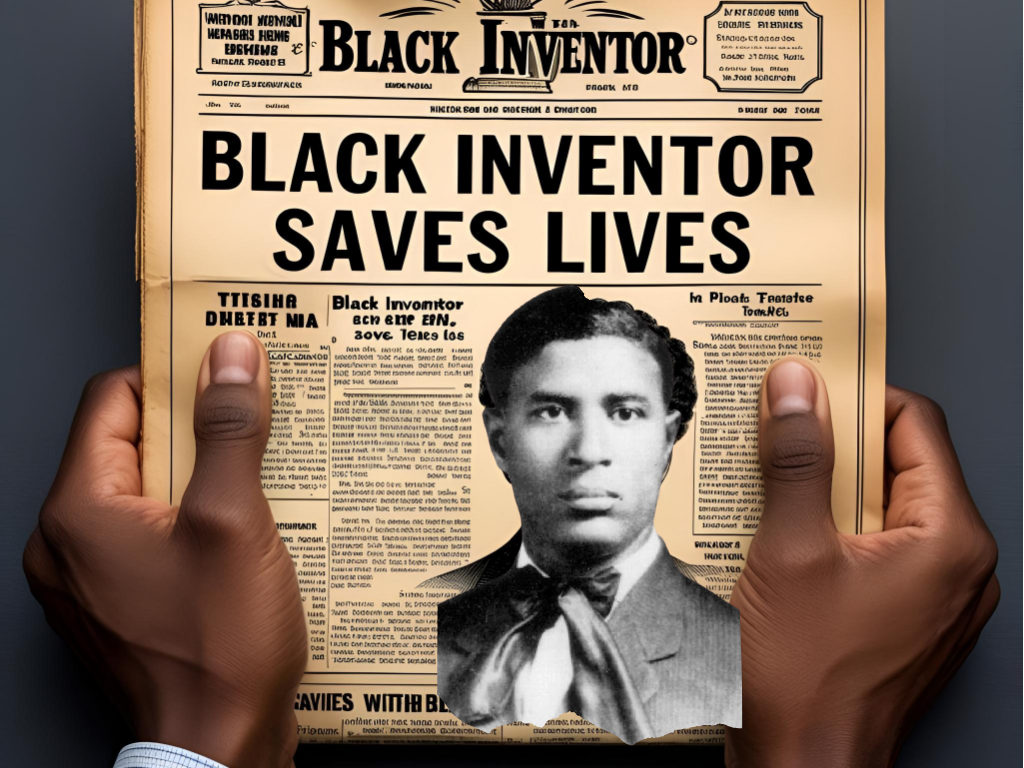
Garrett T. Morgan: Inventor, Trailblazer, Culture-Builder
Today is July 25th, the same date in 1916 when Garrett T. Morgan stepped into a gas-filled tunnel under Lake Erie and used his patented breathing device to save multiple lives. That moment defined leadership through innovation, bravery, and creative problem-solving in real time which happens to be the values we stand for today.
Born in Kentucky in 1877, Garrett A. Morgan rose from humble beginnings working as a sewing-machine mechanic and hiring a tutor to continue his basic education to become one of America’s most iconic inventors. Despite only six years of formal schooling, he pioneered groundbreaking inventions: a gas mask (“safety hood”) and a three-position traffic light that shaped urban safety and transformed global transit.

Morgan’s gas mask, patented in 1914, became essential rescue gear in a deadly 1916 Cleveland tunnel explosion beneath Lake Erie. When standard rescue teams failed to survive, Morgan donned his device and led the rescue, saving multiple lives. Later, after witnessing traffic chaos, he developed a traffic signal with a “caution” setting, which later became the yellow light, and sold the patent for $40,000 in 1923.
Morgan wasn’t just an inventor; he was a civic leader: launching a Black newspaper, supporting higher education, forming community organizations, and breaking into spaces closed to many at the time.
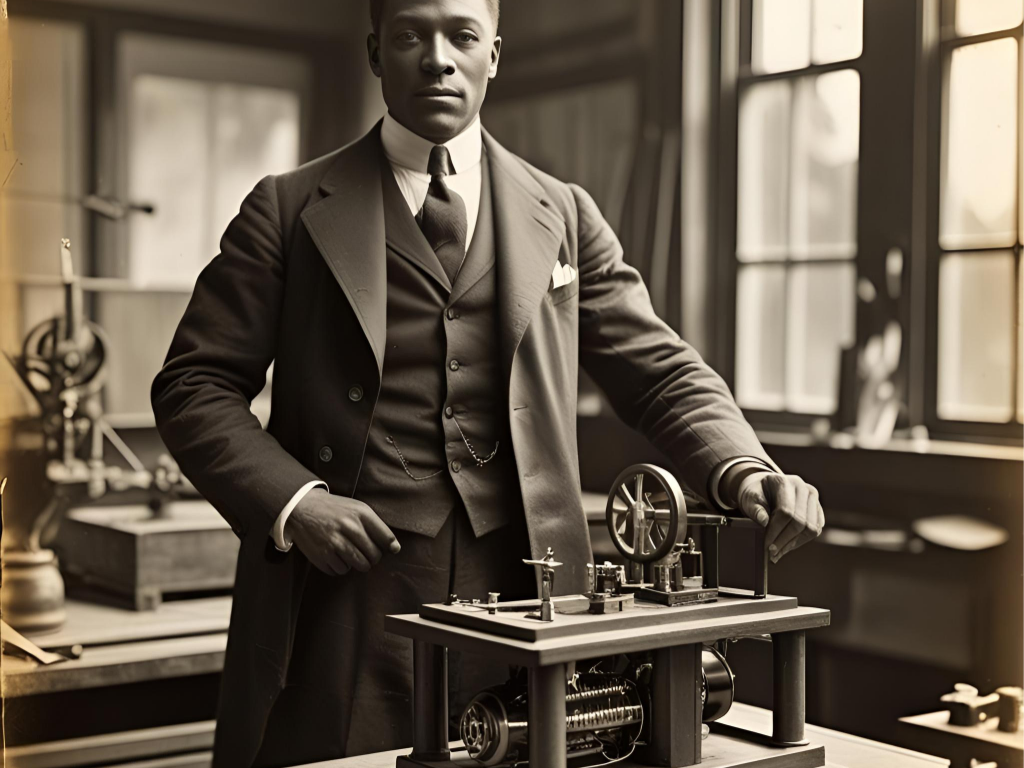
Morgan’s Impact: Vision, Invention, and Leadership
When the world didn’t recognize him after the tunnel rescue, Morgan responded: “I have a Ph.D. from the school of hard knocks and cruel treatment.” That remark embodies his resilience, a reminder that true leadership often comes when doors stay closed. Despite being written out of headlines, Morgan persisted, using design, innovation, and community engagement to build his legacy.
His inventions solved fundamental safety needs: breathing apparatus for first responders and traffic signals that protected pedestrians and drivers alike. These solutions came from observing real-life breakdowns and applying that insight to change systems. His leadership was rooted in problem-solving, not prestige.
Lessons for us who intend Building Brands as Culture
At LuxAfro, we see parallels between Morgan’s leadership and our work empowering Black creators and business owners. Here’s what we draw from his legacy:
- Build from Needs, Not Prestige
Morgan’s inventions served to fill clear gaps in safety and traffic order. Similarly, a LuxAfro-supported brand isn’t built for appearance, but for real, lived impact. - Create with Context
Every design choice, platform, or voice we help build should reflect culture. Morgan’s traffic light wasn’t just engineering, it was cultural intelligence in motion. - Claim Your Narrative
When Morgan wasn’t credited, he forged his own path, and we help our clients own their stories and shape how the world sees them on their own terms. - Turn Innovation into Legacy
Morgan’s path from sewing repair to social impact shows how a single invention can become a legacy. Our goal is to help creators do the same: design, deliver, and leave behind something of lasting value.
Garrett Morgan’s journey from inventing a hair-refining solution to revolutionizing traffic safety reminds us that leadership happens at the intersection of observation, boldness, and community responsibility.
He solved real problems. He stood firm when erased. He created tools for safety and systems. He built a legacy.
That is what LuxAfro is here to do for Black entrepreneurs: help transform lived experience into movement, unfiltered purpose into platform, and personal narrative into cultural resonance.
What Garrett Morgan Taught Us About Black Innovation and Owning the Narrative
Morgan’s story is a masterclass in building under pressure. He grew up during Reconstruction with limited access to formal education. Still, he taught himself mechanical skills, worked as a sewing machine repairman, and eventually opened his own repair shop and tailoring business. That shop became the seedbed for his inventions, including the first gas mask, the modern traffic light, and even a popular hair-straightening solution.
But here’s the deeper point: he didn’t stop at inventing. He went on to found a Black newspaper, support civil rights organizations, and mentor others. He understood that real innovation wasn’t just about the object, it was about the systems, the message, and the leadership behind it.
How does this matter to us at Luxafro?
We encourage today’s Black entrepreneurs, creatives, and change-makers to think just like Morgan:
- Don’t wait for approval, build what’s missing.
- Use what you know: your story, your skills, your struggle to shape solutions for your community.
- Be multi-dimensional: you can invent, lead, teach, and brand yourself at the same time.
- Don’t just create for survival, create to leave a legacy.
Morgan didn’t stop after one invention. He built a legacy through ownership, visibility, and community service, and that’s exactly what we are helping the next generation of Black innovators do through branding, coaching, and cultural storytelling.