
- Introduction
- What Led to the Massacre
- Events of June 24, 2022
- Casualties & Discrepancies in Numbers
- Aftermath: Investigations, Cover-ups & Reactions
- Protests, Accountability & International Calls
- Consequences for Migrants & Border Policy
- Lessons for the Black Community Today
Introduction
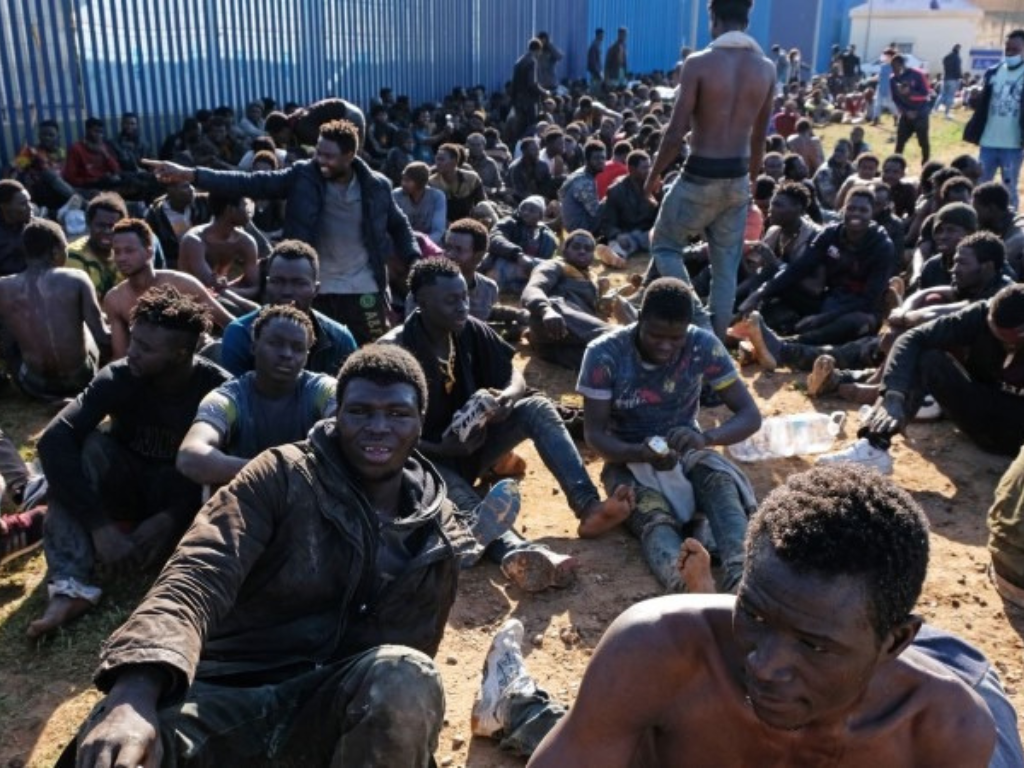
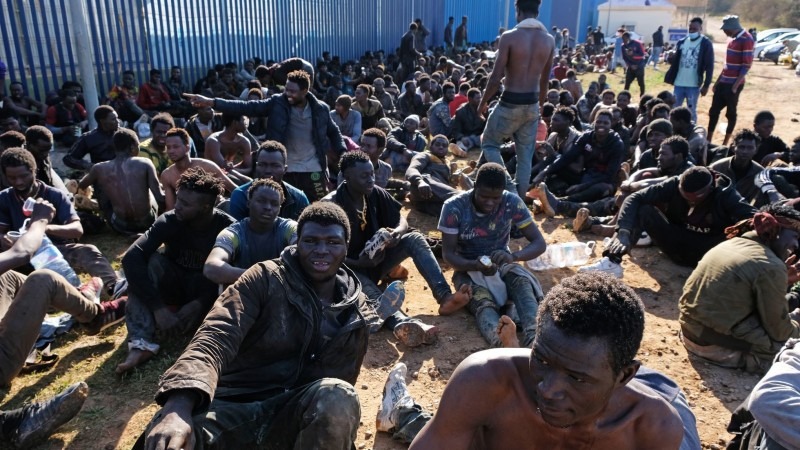
On June 24, 2022, a horrific incident took place at the Melilla border, one of Europe’s most fortified land crossings shattering the lives of African migrants fleeing conflict and poverty. Many perished in a brutal crush, striking at the heart of EU border policy and its human toll.
At first, the migrants met no resistance, and in the months leading up to that day, Moroccan police had repeatedly raided settlements on the mountain, where thousands of people had taken refuge. The authorities had also prevented local shopkeepers from selling food to the migrants and stopped taxi drivers from transporting them to the Spanish consulate in the nearby city of Nador.
By mid-June, the migrants were feeling trapped. They couldn’t stay where they were for fear of arrest and they were being blocked from using official channels to claim asylum. The way they saw it, they had little choice but to try to cross the border illegally.
Security forces from both nations arrived to disperse the crowd but resulted in violent fighting with the migrants lasting for two hours. Spanish and Moroccan officials said that their border guards had been assaulted with weapons and had to fight back in self-defense.
What Led to the Massacre
Fortified Frontier
Melilla, a Spanish enclave on Morocco’s Mediterranean coast, stands shielded by multiple fences one 6–10 m high, topped with razor wire, patrolled intensely by cameras and guards from both nations. Conceived to deter illegal crossings, it evolved over decades from a single barrier initiated in 1998 to a triple-layered apparatus built between 2005 and 2020.
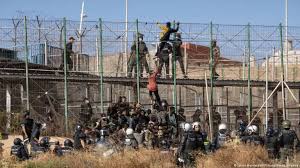
Today, it blends formidable physical barriers with surveillance systems, creating a near-impenetrable fortress and a lethal challenge for those risking a climb.
Desperate Hope
In the weeks preceding the massacre, between 1,500 and 2,000 migrants primarily Sudanese, along with South Sudanese, Chadians, Cameroonians, and Guineans camped on Mount Gourougou, roughly six kilometers from the fence. Driven by war, climate crisis, and economic collapse, they awaited the chance to breach Melilla. Their hope anchored on digital rumors, social media accounts showing successful crossings, and growing rumors that legal pathways remained closed. Their tented encampments signaled a profound desire: a single climb, a ticket to Europe.
Mounting Pressure
Human rights organizations, including Border Forensics documented Moroccan raids in the days before June 24. Security forces reportedly extorted the migrants’ food and water, destroyed camps, and steered clusters toward the Barrio Chino crossing dubbed a “death trap.” This escalation left the migrants vulnerable and exhausted. Many survivors noted they were forced to abandon camps and head straight to a crossing point already surrounded by armed patrols. Such tactics, critics argue, engineering tragedy by design.
Events of June 24, 2022
Dawn Surge and Crossings
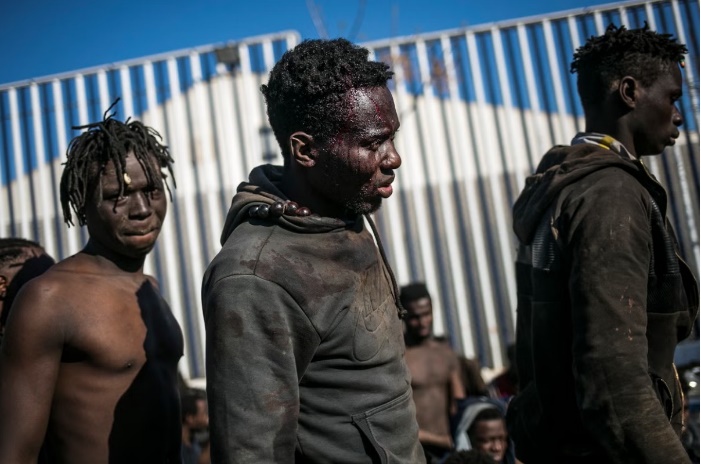
At dawn on June 24, almost 2,000 migrants surged toward the fences around Melilla’s Barrio Chino gate. Amid confusion, 130–134 managed to breach and reach Spanish territory; roughly 1,700 were stopped, detained, and forcibly returned by Moroccan and Spanish guards What began as a moment of hope turned into a scene of chaos.
Violence and Skirmishes
The breach sparked violent clashes. Reports from Human Rights Watch describe Spanish Guardia Civil deploying tear gas on migrants who clung to fences, while Moroccan forces used rubber bullets, beatings, and stone-pelting to push them back. In the frantic scramble, migrants struck and wounded Moroccan and Spanish officers. The flow of tear gas bred panic; shielding from it, some migrants fell awkwardly or were shoved down.
Death and Silence
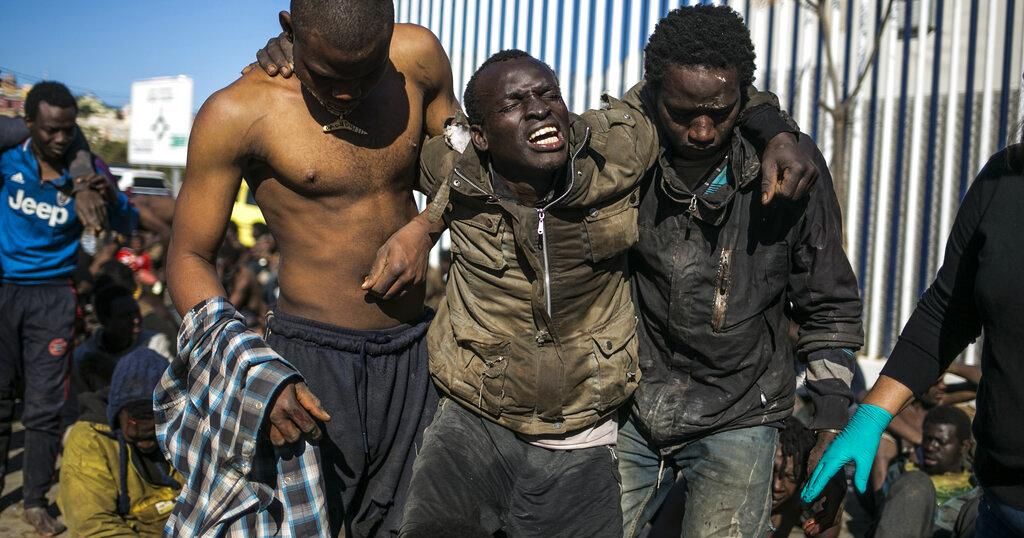
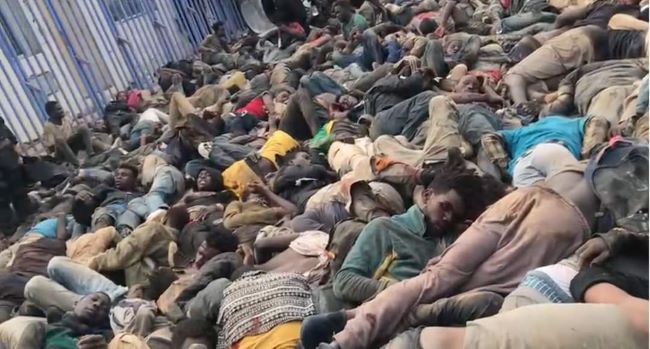
Tragically, the fence and courtyard became a site of carnage. Hundreds fell from heights, others were crushed in the bottleneck courtyard trampled, contorted, bleeding, and left unattended for hours. Fragments of footage show motionless bodies piled together, silent under the scorching sun. This memory scape of terror endures, preserved in grainy recordings that questions simple explanations, a stampede or accident and demands accountability.
Casualties & Discrepancies in Numbers
| Source | Death Toll | Missing / Additional Notes |
|---|---|---|
| Moroccan Govt. | 23 migrants | +2 gendarmes dead; 76 migrants injured, 140 officers injured |
| Amnesty / NGOs | 37 or more | 77 still missing |
| Human Rights Watch | at least 23 | Confirmed injuries; calls for investigation |
Reported Toll
The Moroccan government officially reported 23 migrant deaths, alongside two gendarmes killed, 76 migrants injured, and 140 Moroccan officers wounded. Spanish authorities echoed this figure. Human Rights Watch confirmed at least 23 fatalities and documented multiple serious injuries, urging investigations.
NGO & Independent Counts
Amnesty International, Border Forensics, and Morocco’s Human Rights Association (AMDH) reported higher numbers some utop to 37 confirmed dead with 70–77 missing. Investigative studies point to rushed burials, mass graves, and missing bodies fanning suspicions of underreporting and concealment.
Tactics & Territory
A central contention is the location of fatalities. Spain maintained no deaths occurred on its territory; Morocco placed them on its side. United Nations and Amnesty flagged this as suspicious, citing possible motive to evade Spanish accountability. Families still cannot identify many of the dead, separated by swift burials and denied access to forensic analysis.
Aftermath: Investigations, Cover-ups & Reactions
Calls for Inquiry
Within days, Moroccan and Spanish civil society groups demanded transparent independent investigations. Amnesty International accused both governments of orchestrating a cover-up, insisting forces used excessive and possibly racially motivated violence. EU Bishops and the African Union joined calls, appealing for victim identification and dignified repatriation of remains.
Governmental Pushback
Spanish authorities defended force as proportional and lawful. A prosecutor closed the investigation in December 2022, ruling no Spanish wrongdoing occurred though it noted some agents had thrown stones at migrants. Moroccan officials insisted their forces acted professionally, even charging some migrants with property damage and violent breach attempts.
Media & NGO Revelations
Investigative outlets Lighthouse Reports and Border Forensics reconstructed events via 145+ digital clips, eyewitness accounts, and drone footage. Their findings revealed migrants being funnelled into the courtyard, surrounded by officers, gassed multiple times, and stripped of emergency aid. These revelations disproved official narratives and intensified demands for judicial accountability.
Protests, Accountability & International Calls
In the aftermath of the massacre, solidarity and outrage surged across Europe. On June 23, 2023, demonstrators wearing white masks marched outside Spain’s parliament in Madrid, chanting slogans like “Europe, you are complicit” and holding signs branding the event a “massacre.” The protest, organized by groups such as Caravan of Open Borders, specifically held both Morocco and Spain responsible for the atrocities, accusing them of using lethal force against Black migrants.
International bodies also expressed concern. The UN, African Union, Council of Europe, and NGOs including Amnesty International issued condemnations demanding transparent investigations and accountability. Amnesty specifically criticized both governments for obstructing justice, failing to release CCTV footage, and neglecting to identify the remains for families. Meanwhile, national efforts at accountability faltered: Spanish MPs twice blocked the creation of a parliamentary inquiry commission intended to probe the events.
This persistent impunity coupled with governments’ defiance fueled further activism. Rights groups labeled it a moment of colonial violence, emphasizing how European policies externalize borders and depersonalize Black lives. The sustained protests, both grassroots and institutional, underscored a shared demand: truth, justice, and structural reform, not only for Melilla but across migratory routes into Fortress Europe.
Consequences for Migrants & Border Policy
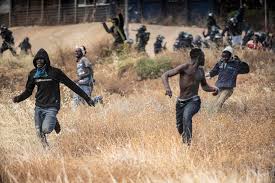
The massacre’s consequences rippled far beyond Melilla. Approximately 470 migrants were “hot returned” pushed back without due process by Spanish authorities immediately after the incident. This reenforced the alarming practice of collective expulsions, despite EU and international human rights conventions most famously challenged in the 2014 Hirsi case, but still recurrent at Spain’s border enclaves.
Morocco also cracked down. Around 65 migrants were prosecuted, facing charges like human trafficking and violence. Some received prison sentences, highlighting how survivors were criminalized under the guise of public order. This punitive backlash sent a chilling message: precarious existence in transit often means vulnerability not just to state violence, but also criminal liability.
The humanitarian cost was staggering. Alongside the deaths in Melilla, Spain-bound Mediterranean routes recorded over 2,390 migrant fatalities in 2022, making it one of the deadliest years on record. Those who survived the Melilla tragedy still face closed borders, militarized zones, and structural barriers to legal migration. The long-term effect is clear: aggressive border enforcement has become a public policy cornerstone in Spain and Europe, a strategy prioritizing deterrence over human life.
Lessons for the Black Community Today
- Human Lives vs. Fortress Europe
The Melilla massacre highlights a stark truth: Black lives seeking refuge are often met with violence, not compassion. European border regimes criminalize Black existence, forcing bodies into walls and trenches while authorities feign bureaucratic neutrality. The tragedy demands that we view Black migrants as people with rights, not collateral in geopolitical strategy. - Silenced Voices
With 77 migrants still missing, families denied access to bodies or information, and rushed mass burials, much of the truth remains hidden. Their disappearance was not only geographic, it was political suppression. Remembering them disrupts the erasure that allows systemic cruelty to persist. - Structural Complicity
The violence in Melilla stems from a Europe–Morocco partnership, funded border fences, joint patrols, and coordinated returns. This shared system imports responsibility onto African soil, effectively outsourcing aggression. It’s a reminder that Black communities both sides of the fence are entangled in these policies, and together we must dismantle the pipeline. - Remembering the Unseen
State narratives reduced the toll to 23 deaths, but independent investigations uncovered 37–40+ fatalities and mass graves. The dead weren’t nameless, they were Black Africans with histories and hopes. Honoring their humanity resists the strategy of invisibilization. - Advocate & Educate
Sharing these stories through commemorations, conversations, and media transforms the tragedy into collective memory and demand for justice. It empowers Black people to advocate for migrant justice, open borders, and racial equity worldwide. - Resilience through Solidarity
From Madrid protests to NGO investigations, solidarity proves that even amid impunity, memory fights back. For Black communities, it’s a blueprint: we must stand for each other across continents, exposing injustice and keeping hope alive in the face of walls and violence.
Conclusion
The 2022 Melilla massacre is a stark illustration of human desperation colliding with sealed borders, and a world that often chooses walls over empathy. Though overshadowed by geopolitical headlines, its truths remain essential: Black lives matter across every boundary.
On this anniversary, let us refuse to forget. Let us lift the names of those lost, press for accountability, and challenge systems that deem some lives less worthy.