
A Critical Look into one of The Greatest Black Event in 20th Century Sub-Saharan Africa
- The Revolution That Shook Africa
- The Fall of Haile Selassie: The End of African Feudalism
- The Rise of the Derg & Socialist Africa
- The African Dream Deferred: Lessons from Ethiopia’s Struggle
- LuxAfro Vision: Turning Revolutionary Energy into Economic Power
- From Rebellion to Black Prosperity
1. Introduction: The Revolution That Shook Africa
Some say the past should stay in the past. But we at LuxAfro believe that when your history has been distorted, hidden, or weaponized against you, digging it up becomes a form of resistance.
The 1974 Ethiopian Revolution was the most explosive Black political event of 20th-century Sub-Saharan Africa.
- It was not just a coup, it was a mass uprising that toppled one of the world’s oldest monarchies, Emperor Haile Selassie, and ignited a radical socialist movement.
- For Black people worldwide, it symbolized the fight against oppression, neo-colonialism, and economic injustice themes that align with LuxAfro’s mission of Black economic revolution.
- This was more than politics; it was a warning and an inspiration. The revolution proved that when the people rise, empires fall.
But it also showed that without economic control, political freedom is incomplete. Now, years later, Africa must finish what Ethiopia started not with guns, but with banks, businesses, and Black economic unity.
Why This Event Matters for us as Black People:
- ✔ Last Overthrow of an African Monarch: Proved people power works.
- ✔ Spark for Pan-African Socialism: Inspired liberation movements globally.
- ✔ Economic Lessons: Revolution failed because it didn’t secure real wealth for the masses.
- ✔ Blueprint for Change: Shows that political liberation must lead to economic liberation.
2. The Fall of Haile Selassie: The End of African Feudalism
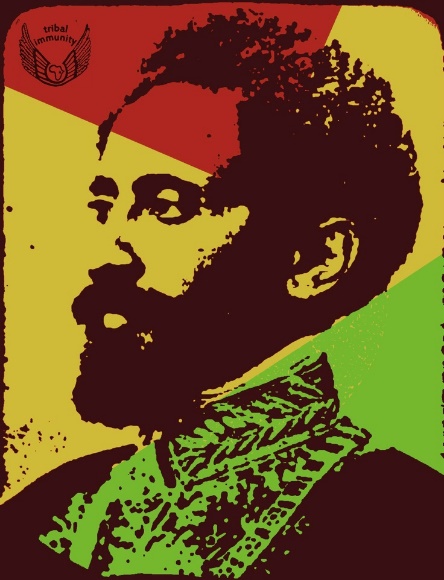
For centuries, Ethiopia was ruled by emperors while the masses suffered in poverty. By 1974, famine, corruption, and inequality reached a breaking point. Students, workers, and soldiers rose up not just against a king, but against a system that kept Black people poor while elites thrived.
The revolution succeeded in dethroning Selassie, but the real lesson was this: Political power without economic power is an illusion. The people won the throne but who controlled the land, the banks, and the trade?
Key Lessons for Black Economics:
- Land Reform Failed: The Derg seized land but didn’t empower farmers economically.
- Foreign Exploitation Continued: Socialist rhetoric didn’t stop neo-colonial deals.
- Wealth Stays in Few Hands: Even revolutions can be hijacked by new elites.
Here’s our Take:
✔ True revolution means owning resources, not just protesting
✔ Black wealth must be systemic, not symbolic.
3. The Rise of the Derg & Socialist Africa
After Selassie fell, the Derg (military junta) took over, declaring socialism and land reform. For a moment, Ethiopia became a beacon of anti-imperialist resistance, inspiring Black radicals worldwide. But without economic strategy, the revolution collapsed into dictatorship and war.
What Went Wrong?
- No Black Economic Infrastructure: Seized land but no farming investment.
- Reliance on Foreign “Allies”: USSR support came with strings attached.
- No Wealth Redistribution: Soldiers became the new oppressors.
Our Lesson:
✔ Political freedom is not economic freedom.
✔ Africa must build its own financial systems, not beg from East or West.
4. The African Dream Deferred: Lessons from Ethiopia’s Struggle
The revolution started with hope but ended in famine (1983-85) and dictatorship. Why? Because changing leaders isn’t enough, you must change the economy.
What Africa Should Have Learned:
- Land Without Capital is Useless: Farmers need tools, loans, markets.
- Socialism Without Black Business Fails
- Real Power is Economic: Guns don’t feed nations, trade and industry do.
Our Answer:
✔ Build Black banks, not just protests.
✔ Invest in African supply chains, not foreign aid.
5. LuxAfro Vision: Turning Revolutionary Energy into Economic Power
The 1974 revolution was raw Black power but it lacked an economic blueprint. Today, LuxAfro’s mission is to channel that same energy into wealth creation.
How?
- Pan-African Trade Networks: Replace colonial trade routes with African-owned systems.
- Black Digital Banking: Move money outside Western-controlled systems.
- Cooperatives, Not Corruption: Ethiopia’s farmers should have been shareholders, not serfs.
- The Next Revolution Won’t only be Televised, It’ll Be Monetized.
Conclusion: From Rebellion to Black Prosperity
The 1974 Ethiopian Revolution was Sub-Saharan Africa’s most dramatic 20th-century event but its greatest lesson is unfinished business.
Political freedom was won. Now, we fight for economic freedom.
✔ Stop begging for justice and build Black wealth.
✔ Own lands, banks, and trade, not just slogans.
✔ The next revolution is financial.