
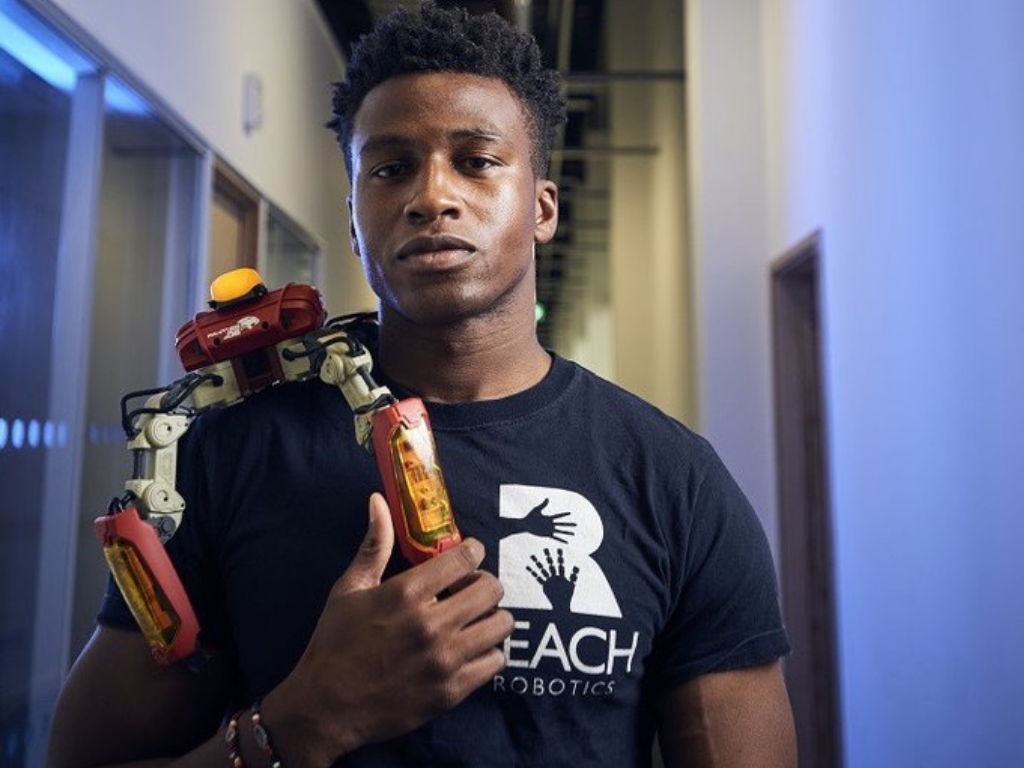
The European startup ecosystem has historically echoed with exclusivity favoring inherited wealth, elite education, and homogenous networks. Yet a powerful wave of Black founders has quietly redefined this space by not just launching businesses but building systemic blueprints for inclusive innovation.
Silas Adekunle (Forbes 30 Under 30, 2018) and Louise Broni‑Mensah (first Black female founder funded by Y Combinator, 2014), are entrepreneurs proving that Black ingenuity thrives in Europe when community, culture, and courage converge.
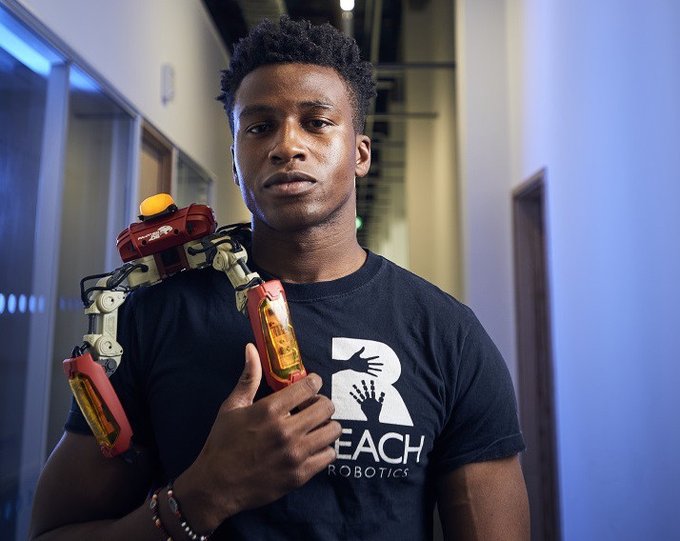
Now, backed by initiatives like Google’s Black Founders Fund (2021–present, awarding $40M) and accelerators like Digital Catapult’s Black Founders Programme (2023), they’re scaling global impact, cultivating mentorship ecosystems, and reshaping what success looks like, all while wearing Black skin confidently.
Here’s how they’re winning—and how their journey offers a roadmap for future disruptors.
1. Building While Black: Navigating a Biased Ecosystem
Black founders in Europe continue to face systemic barriers:
- Just 0.2% of venture capital goes to Black-led startups (Digital Catapult, 2020)(eu-startups.com).
- Investor networks often exclude those outside dominant circles, making equity and introductions rare.
Yet success stories abound:
Martin Ijaha (Neyber, 2013–2019) partnered with Goldman Sachs, raising over €110M, Silas Adekunle, founder of robotics startup Reach Robotics, raised $12M, earned Forbes 30 Under 30 acclaim in 2018, Dean Forbes, rising from homelessness to CEO of Fortune 500–valued Forterro, sold the company for €1B in 2022.
What sets these founders apart isn’t just grit, but strategy. Many:
Bootstrap with creativity (Neyber launched via employer partnerships), Leverage community networks (Facebook groups, diaspora forums), Build in public, sharing milestones to attract support and solidarity.
2. The Power of Diaspora Capital
Diaspora isn’t just an identity, it’s a strategic advantage: It combines trust, cultural insight, and emergent markets. Founders use remittance-like funding and knowledge flows across continents.
Examples:
- Silas Adekunle connected his London robotics team to tech communities in Nigeria.
- Louise Broni‑Mensah (Shoobs, launched 2010) used Ghanaian cultural insight to build an urban music booking platform in London and plans to expand into African markets.
- Nneka Abulokwe, a British-Nigerian tech board leader, uses networks across Nigeria, the UK, and Cambridge to support diversity in governance.
Diaspora links enable market validation in Europe and Africa, access to funding outside Silicon Valley, cultural authenticity that resonates with global audiences.
3. Digital Africa Meets Urban Europe
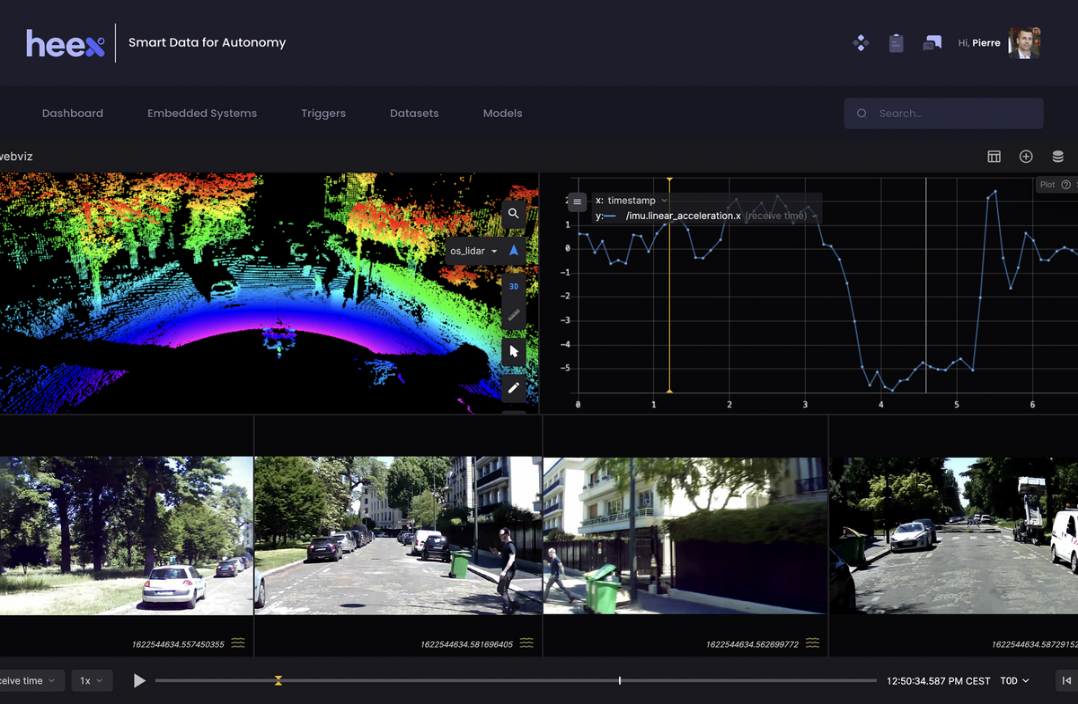
Startups bridging African innovation and European tech are flourishing.
Examples include:
- Heex Technologies (France), applying AI to autonomous driving data.
- Bosque (Germany), using AR for plant-wellness services.
- Lalaland.ai (Amsterdam, founded 2019), led by Zimbabwean Michael Musandu and ranked Forbes 30 Under 30 Europe (2022), uses AI-driven virtual models, winning the Tommy Hilfiger Fashion Frontier Challenge and partnering with Levi Strauss in 2023.
These ventures serve both African and Western markets, they build sustainable, hybrid-tech models and highlight innovation that addresses multiple geographies.
4. Culture as Capital
Culture is no longer a niche but now it’s a global tech asset.
Founders like Noelly Michoux (456 Skin, France, launched post-2019), created a lab for skincare for darker tones, the Founders of Cocoa Swatches and Blk + Grn (featured in Vogue Business) leverage cultural authenticity in mainstream beauty products.
They demonstrate:
- Representation sells; authenticity builds loyalty.
- Cultural businesses can scale beauty, fashion, wellness and profitably.
- Culture + tech = new product categories (e.g., beauty AI, Afro wellness apps).
5. Redefining Success and Impact
For many Black founders success isn’t just financial, They emphasize social justice, mental health, and community ownership. Kenny Alegbe (HomeHero, London) built an app to ease home setup, mentoring other Black founders along the way. Lola Odelola (Blackgirl.tech, 2014–2019) empowered 300+ Black girls into tech through coding bootcamps.
Black entrepreneurs measure ROI in:
- Lives changed
- Doors opened
- Ecosystems built
6. Building the Next Generation
Black Europe is investing in its next wave. Google’s Black Founders Fund (2021) awarded $150K + cloud credits to Black-led startups across 18 countries, supporting companies like Heex, Bosque, and Lalaland. Digital Catapult’s Black Founders Programme (2023) offers equity-free support for digital-entertainment startups. Community hubs like BlackInTech Berlin, UKBlackTech, and Hustle Crew are creating reliable networks in tech
- Investors like June Angelides, Chenelle Ansah, Gbite Oduneye, and Yvonne Bajela are funding Black innovation across Europe
Lessons for Future Founders:
Resilience isn’t passive, it’s strategic. Community-backed models can outperform venture capital. Visualize your market; use transparency to build trust and invite support. Network within and beyond cultural lines, accelerators are user-friendly entry points. Find Black-led capital. Share your vision with funders with aligned interests. Pay it forward. Founders who mentor build ecosystems, not just exit. Treat diaspora links as legal and strategic assets.
Build products with twin-cultural utility. European polish, African resonance.
Fundraise across continents: pitch for diaspora grants, remittances, and global incubators.
Embrace bicultural product design, for both Lagos and London.
Position your startup as globally relevant from day one.
Highlight cross-border scalability to socially conscious investors.
Center culture in product design and brand voice.
Avoid tokenism and embrace narrative authenticity.
Collaborate with creators/artists to amplify cultural capital.
Combine profit with purpose and define it early.
Use metrics beyond revenue: community engagement, alumni outcomes.
Funders paying attention to diversity and impact invest longer.
Conclusion
Black entrepreneurs aren’t just joining Europe’s startup scene; they’re remaking it. Through resilience, cultural innovation, strategic diaspora engagement, and community-driven impact, they offer a blueprint for the future.
This is a movement.
A Blackprint.